Production & Tech · 6 min read
Moving Head Lights Explained for Event Planners
Moving head lights are sophisticated, motorized lighting fixtures that can pan, tilt, and change colors, gobos (patterns), and beam sizes, offering dynamic and versatile visual effects for events. They are distinct from static lights because their movement is controllable, allowing for complex choreography and mood changes throughout an event.
By Jordan Miller · Mixmode (Austin, TX)
Published October 16, 2026
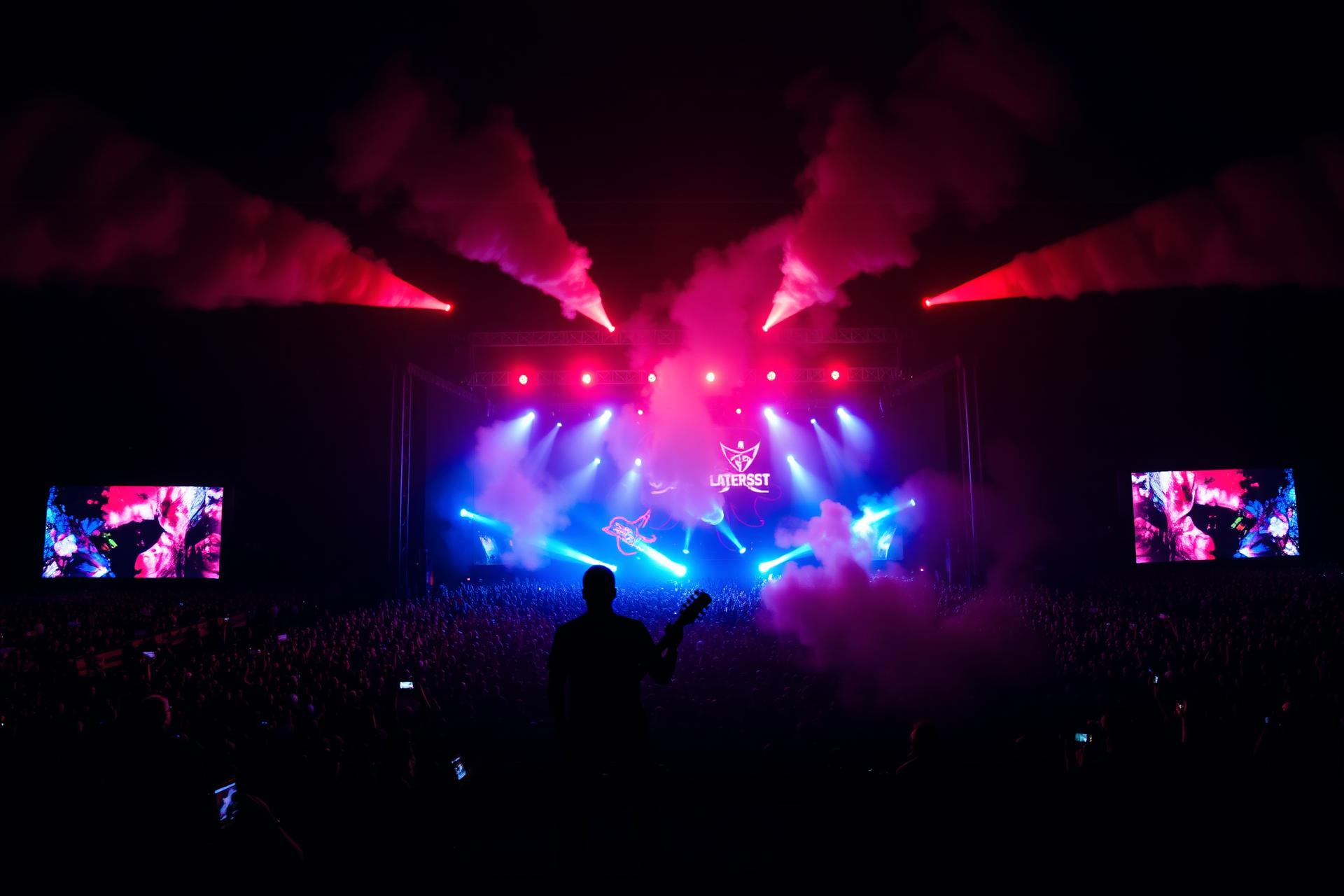
Moving head lights are sophisticated, motorized lighting fixtures that can pan, tilt, and change colors, gobos (patterns), and beam sizes, offering dynamic and versatile visual effects for events. They are distinct from static lights because their movement is controllable, allowing for complex choreography and mood changes throughout an event. These "intelligent" lighting units are essential for creating an energetic atmosphere, highlighting performers, and transforming a venue space.
Moving heads are a staple in modern event production, providing a professional and high-impact visual element. They bring a concert-like feel to any stage or dance floor, reacting to music and enhancing the overall guest experience.
Quick Answer
- What they are: Motorized lights that move, change color, and project patterns.
- Purpose: Create dynamic visual effects, highlight performers, set mood, enhance energy.
- Types: Spots (patterns/focus), Washes (wide color fills), Beams (sharp, intense rays).
- When to use: Festivals, corporate events, weddings, nightclubs, college events, private parties looking for high-impact production.
What Makes Moving Head Lights Different from Other Stage Lights?
Moving head lights stand out due to their ability to articulate and change their output in real-time, controlled by a lighting designer. Unlike a static par can that provides a consistent, unchanging pool of light, moving heads can sweep across a stage, flash, change colors instantly, and project various patterns. This dynamic capability allows them to be a versatile tool for storytelling and mood-setting within an event. Their automated movement reduces the need for numerous static fixtures and can create more complex, engaging visual experiences. This level of control is fundamental for sophisticated event production and is a key component in creating memorable moments.
What Are the Main Types of Moving Head Lights?
While all moving heads offer dynamic movement, they specialize in different aspects of light projection, typically categorized as spot, wash, or beam fixtures. Understanding these distinctions helps in selecting the right tools for your event's visual design.
Spot Moving Heads
Spot fixtures are designed for projecting defined patterns and focused light. They typically feature gobos (stenciled patterns), prisms for multi-image effects, and sometimes animation wheels. Spot moving heads excel at creating texture on surfaces, highlighting specific areas or performers, and providing sharp, defined aerial effects in hazy environments. They are the workhorses for intricate light shows and creating visual interest.
Wash Moving Heads
Wash fixtures are built to provide broad, even fields of colored light, akin to a traditional floodlight but with added movement and color mixing capabilities. They are excellent for coloring a stage, illuminating an entire dance floor, or creating ambient mood lighting. Wash lights are often used to complement spot lights, filling in the background or providing a base layer of color. They are crucial for creating atmospheric shifts and setting the overall visual tone of a space.
Beam Moving Heads
Beam fixtures are characterized by their extremely narrow and intense light output, designed to create sharp, concentrated columns or rays of light that slice through the air. They are highly effective in venues with fog or haze, where their powerful, tight beams become visibly defined. Beam lights are often used for high-energy effects, dramatic aerial displays, and to create a sense of scale and spectacle. They are a favorite for festivals and large-scale productions where impactful visual moments are key.
| Feature | Spot Moving Head | Wash Moving Head | Beam Moving Head |
|---|---|---|---|
| Primary Use | Project patterns, textures, focus | Broad color fills, ambient lighting | Intense, narrow light rays, aerial effects |
| Beam Quality | Defined edge, often with gobos | Soft edge, wide spread, even color | Extremely tight, pencil-thin, high intensity |
| Effects | Gobos, prisms, animation wheels, frost, zoom | CMY/RGB color mixing, zoom, wide coverage | Prisms, sometimes gobos, intense punch |
| Visibility | Good for projecting on surfaces, mid-air effects | Excellent for coloring stages/rooms | Highly visible in haze/fog, dramatic aerials |
| Common Power | 150W-600W+ LED or Discharge | 150W-600W+ LED | 200W-350W Discharge (often higher perception) |
| Best For | Detailed light shows, highlighting performers | Area illumination, mood setting, background color | High-energy moments, large venue spectacle, dramatic flair |
When Are Moving Head Lights a Worthwhile Investment for My Event?
Moving head lights are a significant component of event production and are particularly worthwhile when you aim for a high-impact, dynamic, and professional visual experience. They elevate events beyond basic lighting by offering versatility and sophistication.
- High-Energy Events: For nightclubs, festivals, fraternity parties, or college events, moving heads are essential for matching the intensity of the music and creating an immersive party atmosphere. The ability to choreograph lights to drops and transitions is invaluable.
- Weddings and Afterparties: Beyond traditional uplighting, moving heads can transform a wedding reception or wedding afterparty into a vibrant dance club, providing excitement and memorable photo opportunities. They can create a spectacular visual backdrop for special dances.
- Corporate Events: For product launches, award ceremonies, or galas, moving heads provide a polished, high-tech look. They can be used to project company logos, highlight speakers, or transition between segments with sophisticated visual cues. This level of production speaks to professionalism and attention to detail.
- Performances with Visuals: If your event features a band, DJ (especially a hybrid DJ act like Mixmode), or any performer where visuals enhance the experience, moving heads are critical. They draw attention to the stage, emphasize musical cues, and keep the audience engaged through a full set, from Country EDM to punk rock and hip-hop sections.
Considering a professional lighting package that includes moving heads ensures that the visual component of your event is as impactful as the audio. They are a primary tool for creating a truly memorable ambiance and energy on the dance floor, as discussed in detail in our guide on dance floor lighting.
FAQs
How are moving head lights controlled?
Moving head lights are typically controlled via DMX (Digital Multiplex) protocol, an industry-standard communication method for lighting equipment. A lighting console or software on a computer sends signals to the fixtures, dictating their movement, color, gobos, and intensity, allowing for precise and complex light shows.
What are some common effects created with moving head lights?
Common effects include sweeping beams across the audience, rotating gobos that project dynamic patterns, strobe flashes, color chases, light tunnels, and focused spotlights on performers. They can also create dramatic blackout and reveal effects or mimic the movement of lasers with narrow beams.
Do moving head lights require a fog machine or haze machine?
While moving head lights function without atmospheric effects, their impact is significantly amplified by the presence of fog or haze. These machines make the light beams visible in the air, transforming the empty space into a canvas for dramatic aerial effects and creating a more immersive experience for the audience. The difference is stark, making haze a highly recommended addition for maximizing your lighting investment.
Booking a professional production package ensures that your event's lighting, including dynamic moving heads, is expertly designed and executed. For more information on how Mixmode can elevate your event with cutting-edge event production and an unforgettable live show, reach out to us at booking@mixmodemusic.com or visit our booking page.
Related reading
People also ask
Related questions
- What's the difference between moving heads and static lights?
- Moving heads are motorized and can change position and effects during an event, while static lights remain fixed in their position and provide a consistent output without movement. This dynamic capability is their primary distinction.
- Do moving head lights use a lot of power?
- Modern moving head lights are generally more energy-efficient than older models, but they still require dedicated power circuits. A professional production team will assess the venue's power capabilities to ensure safe and reliable operation of all lighting and sound equipment.
- Can moving head lights be used outdoors?
- Some moving head lights are specifically rated for outdoor use with weather-resistant housings. Standard indoor fixtures should never be used outdoors without adequate protection from the elements, as moisture can cause damage and safety hazards.
- What is a 'gobo' in lighting?
- A gobo is a stenciled disc placed inside a moving head or static projector to create patterns, shapes, or logos with light. They are commonly used to project custom branding, intricate designs, or atmospheric textures onto surfaces.
Stay in the loop
Not booking today?
Tour dates, new reels, and a heads up when dates open up. No spam, unsubscribe anytime.
Keep reading
Related guides
Production & Tech
Dance Floor Lighting: Essential Elements for Event Planners
Effective dance floor lighting transforms an event space, setting the mood, enhancing the music, and engaging guests. This guide covers fixture types, quantity, power needs, and practical considerations for creating an energetic and memorable atmosphere.
Production & Tech
CO2 Cannons vs. Cold Spark Machines for Events
CO2 cannons and cold spark machines offer distinct visual effects for events, with CO2 providing dramatic, fast-dissipating plumes and cold sparks creating a non-flammable, fountain-like display. The choice between them depends on your event's specific needs, venue restrictions, safety considerations, and desired aesthetic impact.
Production & Tech
Production for a 500-Person College Event
A 500-person college event requires significant production planning, including a robust sound system, dynamic lighting, ample power, and an experienced crew to ensure a seamless experience. This involves specific speaker and subwoofer counts, strategic lighting design, and a detailed timeline for setup and teardown, all tailored to the venue and event type.
Browse the full Mixmode Knowledge Base.