Production & Tech · 7 min read
Dance Floor Lighting: Essential Elements for Event Planners
Effective dance floor lighting transforms an event space, setting the mood, enhancing the music, and engaging guests. This guide covers fixture types, quantity, power needs, and practical considerations for creating an energetic and memorable atmosphere.
By Jordan Miller · Mixmode (Austin, TX)
Published August 27, 2026
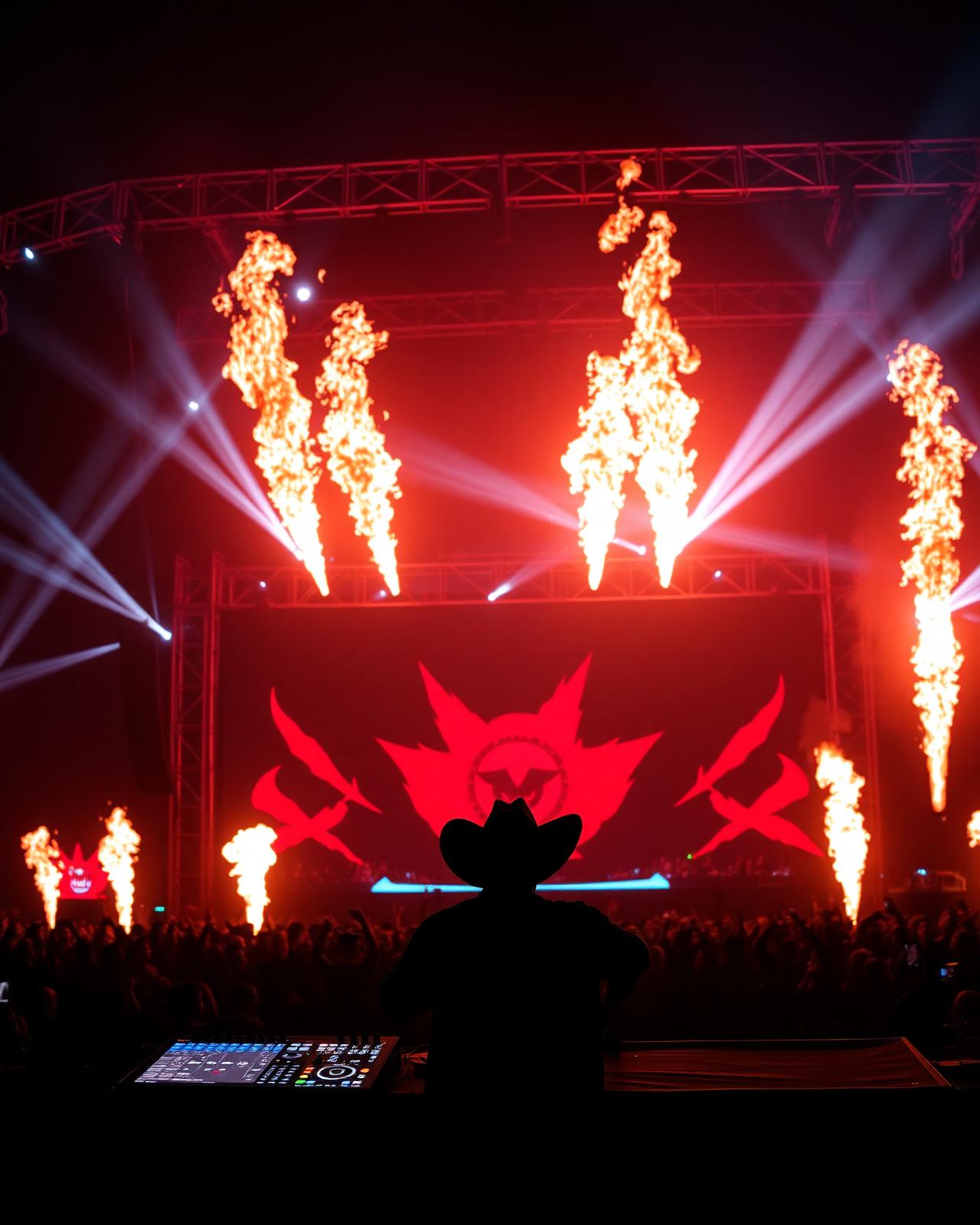
Creating the perfect dance floor atmosphere requires careful consideration of lighting, transforming a static space into an energetic hub that encourages movement and engagement. Effective dance floor lighting isn't just about brightness; it's about setting the mood, enhancing the music, and directing attention. This guide will walk you through the essential elements of dance floor lighting requirements for various events, covering fixture types, quantity, power needs, and practical considerations.
Quick Answer
- Wash Lights: Provide foundational color and ambiance.
- Effect Lights: Create dynamic movement, patterns, and energy.
- Spot Lights: Highlight performers or specific areas.
- Fixture Count: Varies by floor size (e.g., 4-8 dynamic fixtures for a 20x20 ft floor).
- Power: Requires dedicated circuits, consult production for specifics.
- Staging: Strategic placement for maximum impact and safety.
Why is Dedicated Dance Floor Lighting Essential for Events?
Dance floor lighting goes beyond basic illumination; it is a critical component of the overall event experience. A well-designed lighting setup complements the music, drives the energy of the room, and encourages guests to participate. Without it, even the best music can fall flat, lacking the visual stimulation that truly brings a dance floor to life. Dynamic lighting can highlight key moments, synchronize with beats, and create an immersive environment that transforms an ordinary space into a vibrant celebration. This is especially true for events where a hybrid DJ and live guitarist are performing, as the visual spectacle enhances the musical performance.
From a technical standpoint, integrating lighting early into your event design ensures seamless execution. It allows production teams to plan power distribution, rigging, and control systems efficiently. This foresight prevents last-minute complications and ensures that the visual elements enhance the musical experience, whether it's a high-energy /country-edm set, a nostalgic /emo-nights party, or a sophisticated corporate gala.
What Types of Lighting Fixtures Are Needed?
Different types of lighting fixtures serve distinct purposes on a dance floor. A balanced approach typically involves a combination to achieve both foundational ambiance and dynamic excitement. Understanding these categories is key to building an effective lighting plan.
Wash Lighting
Wash lights cast a broad, soft beam of light, typically used to bathe an entire area in color. They are the workhorses for setting the overall mood and changing the aesthetic of the room. LED wash fixtures are popular due to their versatility in color mixing and low power consumption. They can be used for uplighting walls, coloring the ceiling, or providing a general ambient glow over the dance floor itself.
- Purpose: Base color, mood setting, ambient illumination.
- Placement: Often positioned on the floor, on truss towers, or hung from overhead structures.
- Example: Par cans, LED bars, or floodlights.
Effect Lighting
Effect lights are designed to create movement, patterns, and visual excitement. These are the fixtures that truly energize a dance floor. They often feature moving heads, lasers, strobes, or gobos (patterns projected onto a surface). When synchronized with the music, effect lighting can create breathtaking visual sequences that engage dancers and make the performance feel more immersive.
- Purpose: Dynamic movement, patterns, beams, energy, visual excitement.
- Placement: Usually mounted on trussing, stands, or overhead to allow for broad coverage and movement.
- Example: Moving head spot/wash fixtures, laser arrays, strobes, mirror balls, derby lights.
Spot Lighting
Spot lights, particularly follow spots, are used to highlight specific performers or areas with a concentrated beam of light. While not always a primary dance floor fixture, a well-placed spot can draw attention to the DJ, the guitarist, or a key moment during the event. Automated spot fixtures (moving heads) can also create dynamic aerial effects or project patterns onto the floor or ceiling.
- Purpose: Highlight performers, create focused beams, project gobos.
- Placement: Often from a distance, overhead, or integrated into the general lighting rig.
- Example: Automated moving head spot fixtures, traditional follow spots.
How Many Lights and How Much Power?
The optimal number of lighting fixtures depends heavily on the size of your dance floor, the height of the ceiling, and the desired intensity and complexity of the visual experience. As a general rule, it's better to have slightly more capability than you think you need, allowing for flexibility and impactful moments. Power considerations are equally critical; insufficient power can lead to circuit breakers tripping, interrupting your event.
Fixture Count by Dance Floor Size (Example)
This is an illustrative example, and actual needs will vary based on fixture brightness, venue specifics, and artistic goals. Always consult with your /event-production team.
| Dance Floor Size | Recommended Wash Fixtures | Recommended Effect Fixtures | Notes |
|---|---|---|---|
| 10' x 10' | 4-6 (LED Pars) | 2 (simple moving heads/derby) | Intimate events, small gatherings |
| 20' x 20' | 6-8 (LED Pars/Bars) | 4-6 (moving heads, strobes) | Standard wedding, medium corporate event |
| 30' x 30' | 8-12 (LED Pars/Bars) | 6-10 (moving heads, lasers) | Larger corporate, college, or private events |
| 40' x 40'+ | 12-20+ (high-power washes) | 10-16+ (multi-FX moving heads, large lasers) | Festivals, large-scale concerts, massive private events |
For reference, a standard 20x20 ft dance floor comfortably accommodates about 80-100 people. If you're hosting a large college event with 500 people, you'll need a much larger production, as outlined in our article on /blog/production-for-a-500-person-college-event.
Power Requirements
Lighting fixtures, especially dynamic effect lights like moving heads, can consume significant power. It's crucial to understand the available power at your venue and communicate this clearly with your production provider. Most venues offer standard 15-amp or 20-amp circuits. A basic DJ lighting package might run off one or two dedicated 20-amp circuits. However, as you scale up with more powerful moving lights, haze machines, and other effects, you will quickly need more. For larger setups, especially at festivals or /nightclubs, dedicated 3-phase power distribution might be necessary.
- Rule of thumb: Assume each high-power moving head might require its own 20-amp circuit or be grouped carefully with other low-draw fixtures. LED wash fixtures are generally more efficient.
- Communication is key: Your /event-production team will calculate the total wattage and amperage draw for your chosen lighting package and advise on the necessary circuits or power distribution. Ensure the venue can supply this without overloading existing infrastructure.
Staging, Timing, and Contingencies
Effective lighting is as much about placement and timing as it is about the fixtures themselves. Proper staging ensures maximum impact and safety, while good timing integrates the visuals seamlessly into the event flow.
Staging and Placement
The physical setup of your lighting rig impacts its effectiveness. Lights can be flown from ceiling rigging points, mounted on truss towers (totems), or placed on the ground, depending on the desired effect and venue constraints. For instance, wash lights on the ground can create dramatic uplighting, while moving heads on overhead truss provide expansive coverage and dynamic aerial effects. Consider the sightlines from various points in the room and ensure that no lights are aimed directly into guests' eyes for prolonged periods.
- Trussing: Provides height and stable mounting points for a professional look and optimal light spread. Our article on /blog/stage-space-for-a-hybrid-dj-guitar-duo discusses optimal stage setups, which includes considerations for lighting trussing.
- Totems: Vertical truss structures often used for moving heads, creating a clean, modern aesthetic.
- Floor placement: Effective for uplighting walls, columns, or creating low-level wash effects.
- Safety: All rigging and power cables must be secured, taped down, and out of high-traffic areas to prevent trip hazards.
Timing and Integration
Lighting should evolve with the event. During cocktails and dinner, subtle wash lighting in warm, inviting colors is appropriate. As the dance portion begins, the energy can gradually increase with more dynamic effects, faster chases, and brighter colors. A professional lighting operator or a performer with integrated lighting control can ensure that the visuals are perfectly synchronized with the music, responding to drops, builds, and genre changes. This kind of nuanced control enhances performances, especially for a hybrid act like Mixmode, which transitions through /house-guitar, /hip-hop-edm, and /classic-rock-edm.
Contingencies
Even with the best planning, issues can arise. Having backup fixtures for critical components (e.g., key effect lights) can prevent a significant visual downgrade if a fixture fails. Similarly, having extra cables and a plan for quickly re-routing power if a circuit trips can save the night. Your production team should have a contingency plan in place for equipment failure and be adept at troubleshooting on site.
Planning for robust and dynamic dance floor lighting is an investment in your event's success. It ensures a captivating visual experience that matches the energy of the music, leaving a lasting impression on your guests. For a custom lighting design and comprehensive /event-production solution tailored to your event, from intimate /weddings to large-scale /festivals, contact us today. Our team can help you navigate these requirements and create an unforgettable atmosphere. Reach out to booking@mixmodemusic.com to start planning.
Related reading
People also ask
Related questions
- How does venue ambient light affect my lighting plan?
- High ambient light from windows, house lights, or other sources can diminish the impact of your dance floor lighting. During planning, consider curtains, dimmers, or positioning to minimize competing light sources and maximize the effect of your chosen fixtures.
- What's the best way to integrate lighting with the music?
- The best integration happens when lighting is programmed or controlled live to react to the music's tempo, dynamics, and mood. Automated sound-active modes are a starting point, but dedicated lighting technicians or performers with integrated control systems can create a truly synchronized and immersive experience, enhancing the overall /dj-live-guitar performance.
- Are there lighting options suitable for outdoor dance floors?
- Yes, outdoor dance floors require weather-rated (IP-rated) fixtures to protect against moisture and dust. Additionally, ensure adequate power distribution and consider how natural light or darkness will affect the visibility and impact of the lights throughout the event.
- How far in advance should I book lighting production?
- For optimal selection and to allow for proper design and logistics, it's advisable to book your lighting production as soon as your event date and venue are confirmed, typically 3-6 months out for larger events, and even longer for peak seasons. This is part of comprehensive /event-production planning.
- What kind of lighting is best for corporate events versus weddings?
- Corporate events often benefit from sophisticated wash lighting, custom gobos with logos, and subtle effects that maintain a professional yet engaging atmosphere. Weddings might lean more towards romantic washes, dynamic effects for dancing, and aesthetic uplighting, though the specific choices always depend on the client's vision and the event's overall theme, as discussed in /knowledge/topics/weddings or /knowledge/topics/corporate-events.
Stay in the loop
Not booking today?
Tour dates, new reels, and a heads up when dates open up. No spam, unsubscribe anytime.
Keep reading
Related guides
Wedding Guide
Wedding Reception Timeline: Keep Your Austin Dance Floor Packed
A wedding reception timeline that keeps the dance floor packed strategically balances formalities with open dance sets, peaking guest energy before concluding with a memorable finale.
Production & Tech
Production for a 500-Person College Event
A 500-person college event requires significant production planning, including a robust sound system, dynamic lighting, ample power, and an experienced crew to ensure a seamless experience. This involves specific speaker and subwoofer counts, strategic lighting design, and a detailed timeline for setup and teardown, all tailored to the venue and event type.
Fraternity & Sorority
DJ vs. Band for Your Fraternity Party: A Planner's Guide
Choosing between a DJ and a live band for a fraternity party depends on your chapter's priorities for energy, budget, setup, and musical variety. While a live band offers an authentic performance feel, a DJ typically provides greater genre flexibility and can be more budget-friendly, making them generally more suitable for the dynamic and diverse tastes found at fraternity events.
Browse the full Mixmode Knowledge Base.