Emo & Pop-Punk · 7 min read
Bridging Emo and EDM: DJ Techniques for Genre Blending
DJs mix emo and EDM by employing strategic tempo bridging, creative mashups and edits, and careful crowd pacing to transition between the high-energy drops of EDM and the anthemic singalongs of emo. This blend leverages the emotional intensity of both genres, creating a dynamic set that keeps the audience engaged through diverse musical landscapes. The process involves identifying common thematic elements and using production techniques to smooth sonic shifts.
By Jordan Miller · Mixmode (Austin, TX)
Published October 15, 2026
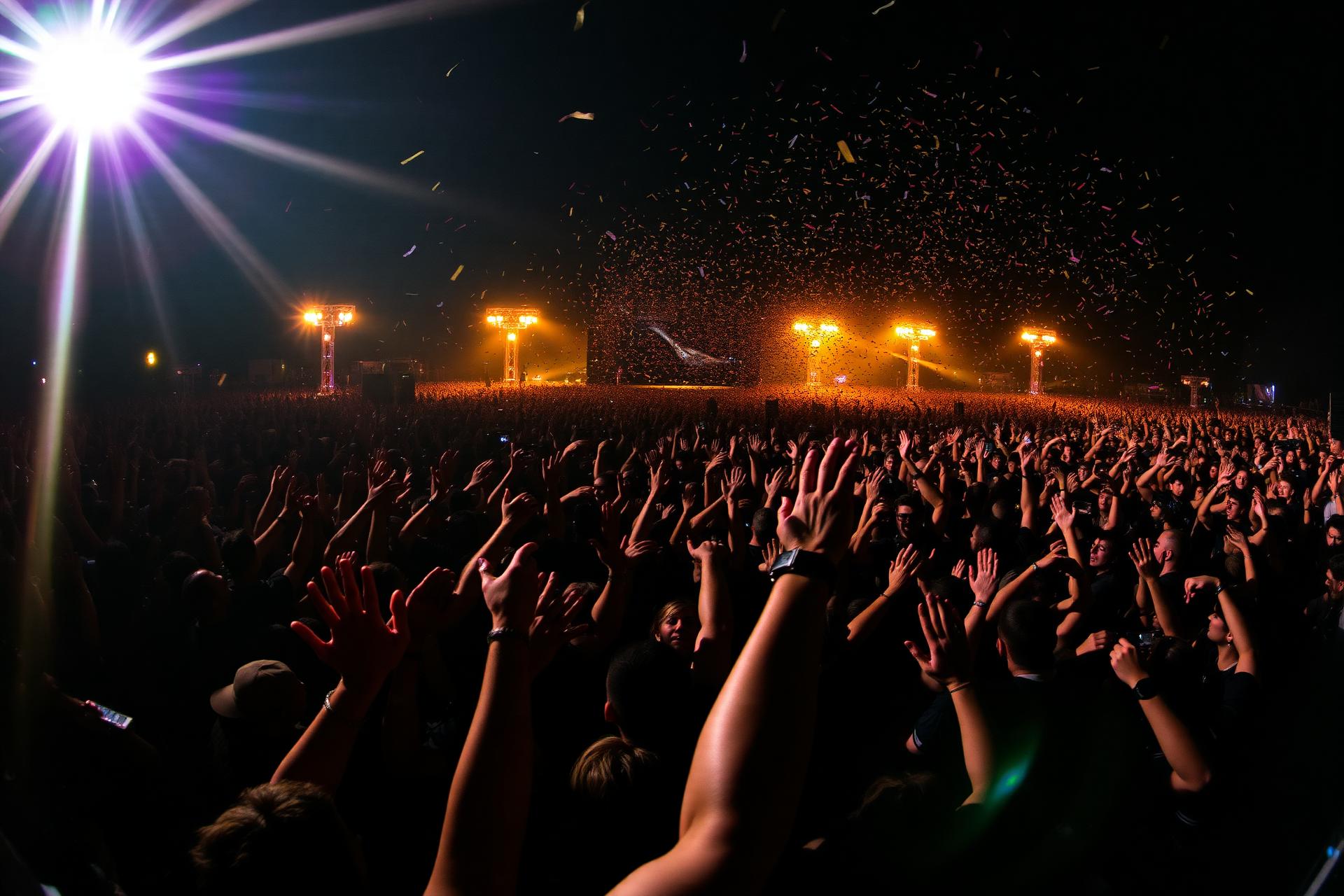
DJs excel at mixing emo and EDM by meticulously planning transitions, creating custom edits, and mastering tempo manipulation to navigate the distinct energy curves of both genres. The goal is to build a cohesive narrative that leverages the raw emotion of emo and the driving power of EDM, offering an experience beyond what either genre can deliver in isolation. This intricate process involves more than just playing tracks; it's about crafting an immersive journey for the audience.
Quick Answer
- Tempo Bridging: Gradually shift BPMs or use sudden, impactful changes.
- Custom Edits & Mashups: Create bespoke versions of tracks for smoother transitions.
- Key Compatibility: Mix tracks with harmonious musical keys to avoid dissonance.
- Crowd Pacing: Understand when to build energy with EDM and when to pull back for emo anthems.
- Live Elements: Incorporate live instruments for dynamic enhancement.
How Do DJs Blend Emo's Energy with EDM's Drops?
Blending emo and EDM effectively relies on understanding the core energy of each genre and how to translate it across different tempos and sonic textures. Emo often features strong vocal narratives and singalong choruses, typically ranging from 120-140 Beats Per Minute (BPM). EDM, while diverse, often emphasizes build-ups, drops, and driving rhythmic patterns, frequently ranging from 128-150 BPM or higher for certain subgenres. The art is in connecting these disparate, yet emotionally charged, soundscapes.
Tempo Bridging and Energy Management
The most fundamental technique is tempo bridging. This involves either gradually adjusting the BPM of a track over several measures to meet the incoming track's tempo or using a hard cut or short-looping technique for an abrupt, high-impact transition. For example, a DJ might take an emo track at 135 BPM and slowly pitch it down to 128 BPM during an instrumental break, allowing a seamless blend into a house or trance track. Conversely, an EDM track at 140 BPM could be pitched up to match a fast-paced pop-punk emo track.
Beyond just BPM, energy management is crucial. Emo tracks often build through verses and choruses, while EDM relies on sustained tension and release. A skillful DJ knows when to drop a high-energy EDM track after an emo singalong to maintain momentum, or when to slow the pace slightly with a more melodic emo track after an intense EDM section, giving the crowd a chance to vocalize their passion. This dynamic flow ensures the audience remains engaged and energized throughout the set.
Custom Edits, Mashups, and Production Techniques
To achieve truly seamless and unique transitions, many DJs rely on custom edits and mashups. These are pre-produced versions of songs where elements from one track are combined with another. For instance, the iconic guitar riff from an emo classic might be isolated and layered over an EDM beat, or a vocal acapella from an emo anthem dropped over an existing EDM instrumental during its breakdown. This requires a strong understanding of music production and often involves using Digital Audio Workstations (DAWs) like Ableton Live or Logic Pro to create bespoke mixes before the performance.
Key compatibility is another technical consideration. Mixing tracks that are in harmonically compatible keys (e.g., C major with G major) creates a more pleasing and less jarring transition than mixing unrelated keys. DJ software often provides key analysis, allowing for informed track selection. Using effects like filters, echoes, and reverbs can also help smooth out transitions, masking any minor BPM or key mismatches and adding a layer of sonic interest.
How Does Setlist Construction Influence Emo-EDM Mixes?
Thoughtful setlist construction is paramount when blending genres as distinct as emo and EDM. It's not just about what songs to play, but when to play them and how they connect emotionally and sonically. A well-constructed set tells a story, guiding the audience through various moods and energy levels, rather than simply presenting a collection of songs. This is particularly important for events like emo nights or college events where the audience expects a diverse but cohesive experience.
Thematic Grouping and Emotional Arcs
DJs often group tracks thematically or by emotional content. For example, a block of angst-ridden emo anthems might be followed by an EDM track that captures a similar sense of catharsis through its driving beat and soaring melodies. Similarly, an emo track about hope or resilience could transition into a more uplifting, melodic house track. Identifying these shared emotional threads allows for natural-sounding transitions despite genre differences.
Strategic Placement of Anthems and Drops
Anthemic emo tracks with strong singalong choruses are strategically placed to maximize crowd participation. These moments are often followed by, or even directly mixed into, an EDM track's build-up and drop. This juxtaposition creates a powerful sonic punch, leveraging the communal energy of a familiar emo chorus to amplify the impact of an EDM drop. Conversely, a high-energy EDM section might be followed by a slightly slower, more reflective emo track to provide a momentary breather before building energy again. The goal is to avoid prolonged periods of either genre, keeping the set dynamic and surprising. For more on event flow, consider our guide to planning your emo night event.
What Role Does Live Performance Play in a Hybrid Emo-EDM Set?
While a skilled DJ can manage genre transitions with software and pre-made edits, incorporating a live musician—specifically an electric guitarist—transforms an emo-EDM set into a truly hybrid DJ experience. This live element adds an organic, dynamic layer that a purely electronic set cannot replicate. We find this particularly effective in the rooms we play, from weddings to corporate events.
Enhancing Emo with Live Guitar Solos
For emo tracks, a live guitarist can recreate iconic riffs, add improvised solos over instrumental sections, or even play counter-melodies during vocal passages. This breathes new life into familiar songs, giving the audience a fresh, live interpretation of their favorite anthems. It’s an immediate connection, adding a palpable energy that transcends a recorded track. Our article, Why Live Guitar Elevates Emo DJ Sets, delves deeper into this synergy.
Integrating Guitar into EDM Drops and Builds
When transitioning to or performing EDM, the electric guitar can be used creatively during builds and drops. A guitarist can play sustained, atmospheric chords during a build-up, adding tension, or shred over an EDM drop, creating a rock-infused electronic sound. This unexpected combination elevates the energy and offers a unique sonic signature that bridges the gap between the two genres in real-time. It’s about leveraging the raw power of a guitar to amplify the electronic soundscape.
DJ + Live Guitar for Emo-EDM Events
| Feature | DJ-Only Emo-EDM Set | DJ + Live Guitar Emo-EDM Set |
|---|---|---|
| Genre Blending | Achieved through track selection, edits, effects. | Enhanced with live improvisation, real-time harmonizing. |
| Energy | High, driven by beat matching and drops. | Higher, with organic, dynamic input from live instrument. |
| Uniqueness | Dependent on DJ's track curation and mixing skill. | Highly distinctive, creating a unique sonic identity. |
| Engagement | Audience reacts to familiar tracks and beats. | Audience reacts to both recorded music and live performance, often with increased enthusiasm. |
| Flexibility | Limited to pre-recorded material. | Live musician can adapt to crowd energy, improvise. |
| Impact | Strong, if well-executed. | Potentially more impactful and memorable. |
Ultimately, integrating live guitar creates a dynamic synergy, offering the best of both worlds: the broad repertoire and seamless mixing of a DJ with the raw, immediate energy of a live musician. This hybrid approach is what sets certain performances apart, offering an unparalleled experience for those looking to explore the full potential of emo and EDM together.
FAQs
What are some common pitfalls when mixing emo and EDM?
One common pitfall is ignoring key compatibility, leading to dissonant transitions. Another is failing to manage tempo changes smoothly, resulting in abrupt, jarring shifts that break the flow. Finally, neglecting crowd energy and playing too many high-intensity tracks back-to-back without a breather can lead to audience fatigue.
How long does it take to prepare a custom emo-EDM mix or edit?
Preparation time varies significantly based on the complexity of the edit and the DJ's production skills. A simple tempo adjustment or intro/outro edit might take 15-30 minutes per track, while a full mashup involving multiple acapellas and instrumentals could take several hours of dedicated studio time per song.
Is it better to mix mostly emo or mostly EDM in these sets?
The ideal ratio depends heavily on the specific event, the audience, and the desired atmosphere. Some events might lean more heavily into the emo side with EDM drops as peak moments, while others might feature a predominant EDM soundscape peppered with emo anthems. Flexibility and crowd reading are key to striking the right balance throughout the night.
Elevate your next event with a genre-bending performance that seamlessly fuses emo's raw emotion with EDM's driving beats. Learn more about our DJ + Live Guitar sets or contact us to discuss your event's unique needs. For booking inquiries, reach out to booking@mixmodemusic.com.
People also ask
Related questions
- What genres can be easily blended with emo and EDM?
- Emo and EDM share common ground with genres like pop-punk, trance, house, and even certain elements of hip-hop, making transitions smoother by leveraging shared melodic motifs or rhythmic patterns.
- How do DJs handle vocal-heavy emo tracks when mixing with EDM?
- DJs often use instrumental versions of emo tracks for beat matching, then bring in the vocals strategically over an EDM instrumental or a customized EDM beat. Acapella versions of emo anthems can also be layered over EDM drops for powerful mashups.
- What equipment is essential for mixing diverse genres like emo and EDM?
- A high-quality DJ controller or CDJs with a robust mixer are essential. Software like Serato DJ Pro, rekordbox, or Traktor provides tools for beat matching, key analysis, and loading custom edits. Additionally, a strong sound system capable of handling both heavy guitar and electronic bass is critical.
- How do you maintain a coherent flow across such different genres?
- Coherence comes from thoughtful setlist construction, identifying thematic and emotional arcs, and using sonic elements like risers, drops, and vocal hooks to connect disparate tracks. It's about telling a story with the music, rather than just playing songs back-to-back.
Stay in the loop
Not booking today?
Tour dates, new reels, and a heads up when dates open up. No spam, unsubscribe anytime.
Keep reading
Related guides
Emo & Pop-Punk
DJ vs. Band vs. Hybrid for Your Emo Night Event
Choosing between a DJ, a live band, or a hybrid DJ+live guitar act for an emo night event depends on the desired authenticity, energy, and logistical constraints. While a dedicated emo cover band offers live instrumental nostalgia, a DJ provides broader repertoire and seamless transitions, with a hybrid act combining the best of both worlds.
Emo & Pop-Punk
Why Live Guitar Elevates Emo DJ Sets
Live electric guitar amplifies emo DJ sets by recreating iconic guitar riffs and hooks, enhancing the emotional impact of the music, and driving crowd engagement with a dynamic stage presence. This combination delivers a unique energy that a traditional DJ set cannot match, transforming familiar tracks into live experiences.
Country EDM
Who Are the Key Artists in Country EDM?
Country EDM has emerged as a distinct and rapidly evolving genre, blending the storytelling and instrumentation of country music with the energetic beats and production techniques of electronic dance music. This fusion creates a unique sound that appeals to fans of both worlds, characterized by banjo, fiddle, and steel guitar melodies layered over thumping basslines and synth arpeggios. Understanding the artists at its forefront reveals the diverse approaches to this innovative genre.
Browse the full Mixmode Knowledge Base.