Production & Tech · 7 min read
Production for a 500-Person College Event
A 500-person college event requires significant production planning, including a robust sound system, dynamic lighting, ample power, and an experienced crew to ensure a seamless experience. This involves specific speaker and subwoofer counts, strategic lighting design, and a detailed timeline for setup and teardown, all tailored to the venue and event type.
By Jordan Miller · Mixmode (Austin, TX)
Published August 20, 2026
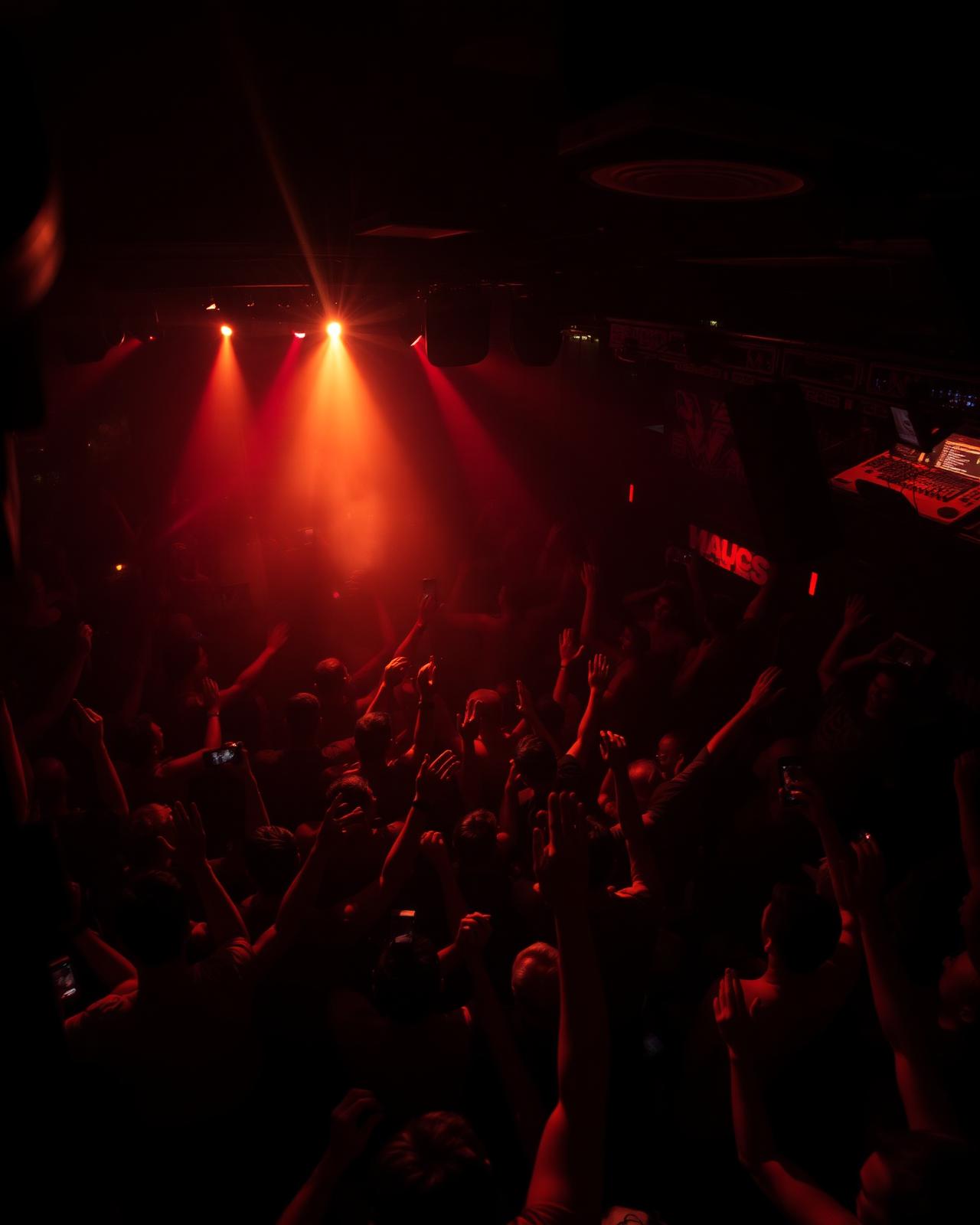
Organizing a college event for 500 attendees demands meticulous attention to production, from sound and lighting to power and staging. While Mixmode focuses on delivering a dynamic performance, understanding the technical infrastructure required ensures a smooth and memorable experience for everyone involved. This article outlines the key production components for a successful 500-person college event, using a typical DJ + live guitar duo setup as an example.
Quick Answer
- Sound: Professional PA system with 8-12 full-range speakers and 6-8 subwoofers.
- Lighting: Comprehensive lighting package including movers, wash lights, and strobes, plus haze/fog.
- Power: Minimum of 2-3 dedicated 20-amp circuits, ideally a 50-amp or 100-amp connection.
- Staging: 16'x12' to 24'x16' stage (18"-30" high) to enhance visibility.
- Crew: Dedicated audio engineer, lighting designer/operator, and production manager.
- Timeline: 3-5 hours for load-in and setup, 1-2 hours for strike and load-out.
What Sound System is Needed for 500 People?
For a 500-person college event, especially one featuring a hybrid DJ and live guitar act, the sound system needs to deliver clarity, power, and low-end presence across the entire space. This isn't just about volume; it's about making sure every note of the electric guitar and every beat from the DJ's mix is heard distinctly, whether attendees are on the dance floor or near the back of the room. A basic club or banquet hall sound system often falls short of what's needed for a high-energy performance like Mixmode's, which spans genres from /country-edm to classic rock and hip-hop.
Speaker and Subwoofer Configuration
We typically recommend a professional PA (Public Address) system. For a room or outdoor space accommodating 500 people, this generally translates to:
- Main Speakers: 8-12 high-quality full-range speakers. These could be flown (hung from the ceiling) or ground-stacked, depending on the venue's rigging capabilities and ceiling height. The goal is even coverage without 'hot spots' or dead zones. Line arrays are ideal for larger, wider spaces as they offer excellent throw and control.
- Subwoofers: 6-8 dedicated subwoofers. Subwoofers are crucial for delivering the punch and feel of electronic dance music and hip-hop. Their placement is key; often clustered centrally for maximum impact, or spread out to create a more immersive low-end experience across the dance floor.
- Monitors: At least 2-4 stage monitors for the performers, or an in-ear monitor system for optimal sound clarity on stage. This ensures Jordan Miller (DJ) and Kristian Cruz (guitarist) can hear themselves and each other clearly to deliver a tight performance.
Audio Control and Signal Flow
An experienced audio engineer is non-negotiable. They manage the digital mixer, ensuring optimal levels, EQ, and effects for both the DJ's output and the live guitar. The signal chain for our duo involves separate channels for the DJ's mixer, Kristian's electric guitar (typically direct to a DI box and sometimes a miked amplifier), and any vocal microphones. This allows for precise control over each element, crucial for the blend of recorded tracks and live instrumentation that defines a /dj-live-guitar performance.
What Kind of Lighting and Staging Elevates the Experience?
Beyond sound, lighting and staging are fundamental to transforming a college venue into an immersive event space. A well-designed lighting plot sets the mood, highlights the performers, and energizes the dance floor, while proper staging provides visibility and defines the performance area. For an event focused on entertainment, especially a dynamic duo that moves through diverse genres, the visual aspect is paramount.
Lighting Design and Equipment
Effective lighting does more than just illuminate; it tells a story and complements the music. We suggest a comprehensive lighting package that includes:
- Moving Head Fixtures (Movers): 8-12 moving head fixtures, a mix of spots, washes, and beams. These provide dynamic effects, color changes, and pattern projection that can shift with the music, from the intensity of punk-rock-edm to the smooth transitions of house. They can be mounted on trusses, totems, or even from existing venue rigging.
- Wash Lights: 10-16 LED wash lights to provide ambient color across the stage and dance floor. These create atmospheric backdrops and can be programmed to match specific song moods.
- Strobes and Blinders: For high-energy moments, 2-4 strobes and a couple of blinders (bright, audience-facing lights) add impactful visual punctuation.
- Haze/Fog Machine: Essential for making light beams visible and creating an atmospheric, club-like environment. Ensure the venue permits their use and has adequate ventilation.
- Lighting Controller & Operator: A dedicated lighting console and an experienced lighting designer/operator who can program and run cues live, responding to the energy of the crowd and the performers. This is particularly important for college events where the atmosphere can change rapidly.
Staging Considerations
A raised stage is highly recommended for a 500-person event, especially for a /dj-live-guitar duo. It elevates the performers, making them visible to more attendees, and creates a focal point for the entertainment. Referencing our article on /blog/stage-space-for-a-hybrid-dj-guitar-duo, for a duo like Mixmode, an ideal stage size would be:
- Dimensions: 16'x12' to 24'x16' (width x depth). This provides ample room for the DJ booth, guitar rig, movement, and any additional production elements.
- Height: 18"-30" high. This height offers good sightlines without being overly imposing in most college ballrooms or event spaces.
- Backdrop: Consider an LED wall or custom visual backdrop for branding or dynamic content, adding another layer to the visual experience.
What Are the Power and Crew Requirements?
Underestimating power needs or crew size is a common oversight that can lead to significant delays or even equipment failure. A successful event relies on adequate infrastructure and skilled personnel to manage all technical aspects.
Power Distribution
Modern audio and lighting equipment draw substantial power. For a 500-person event with the recommended production, dedicated circuits are essential:
- Minimum: 2-3 dedicated 20-amp 120V circuits for the DJ and guitar gear, and separate circuits for lighting. Daisy-chaining too much equipment can trip breakers.
- Ideal: A single 50-amp or 100-amp 3-phase connection. This allows for a robust, centralized power distribution unit (PDU) that can safely power all audio, lighting, and backline equipment without issues. Consult with the venue and your production company to verify available power.
- Generators: For outdoor events or venues with insufficient internal power, a quiet generator is necessary. Ensure it's sized correctly for the total power draw.
Crew and Logistics
The right crew ensures efficient setup, smooth operation, and safe strike. For a 500-person college event, you'll need:
- Production Manager (PM): Oversees all technical aspects, coordinates with the venue, and manages the crew. This person is the main point of contact for Mixmode's team.
- Audio Engineer: Responsible for mixing front-of-house sound and stage monitors.
- Lighting Designer/Operator: Programs and runs the lighting show.
- Stagehands: 2-4 stagehands for load-in, setup, and strike, depending on the complexity of the rig and stage elements. Their role is crucial for keeping the timeline on track.
Event Timeline Example (Illustrative)
Here's an example timeline for a 500-person college event with a 9:00 PM - 11:00 PM Mixmode performance:
| Time | Activity | Notes |
|---|---|---|
| 3:00 PM - 4:00 PM | Crew & Truck Arrival, Venue Check-in | Production manager, audio engineer, lighting designer, stagehands arrive. Confirm power, load-in access, and stage location. |
| 4:00 PM - 6:00 PM | Equipment Load-in & Rigging | Stagehands unload equipment. Begin setting up stage, truss, speakers (flying if applicable), subwoofers. |
| 6:00 PM - 7:00 PM | Sound & Light Setup, Cable Management | Install lighting fixtures, run all audio and power cables. Critical focus on safety and neatness. |
| 7:00 PM - 8:00 PM | Initial Power Up & Line Checks | Turn on all systems. Audio engineer checks every input (DJ, guitar, mics). Lighting designer tests all fixtures. |
| 8:00 PM - 8:30 PM | Mixmode Soundcheck | Jordan and Kristian perform a few tracks to dial in stage monitors and front-of-house mix. Lighting cues are refined. |
| 8:30 PM - 9:00 PM | Final Preparations, Doors Open | DJ may play light background music. Crew ensures all is ready for guests. |
| 9:00 PM - 11:00 PM | Mixmode Performance | Audio engineer and lighting designer operate live. Production manager oversees. |
| 11:00 PM - 11:30 PM | Performance Concludes, Initial Strike | Power down. Quick initial breakdown of small items. |
| 11:30 PM - 1:00 AM | Full Strike & Load-out | Stagehands efficiently dismantle stage, lighting, and sound, and load out equipment. |
This schedule, which typically allows 3-5 hours for setup and 1-2 hours for breakdown, is crucial for preventing rushes and ensuring a professional operation. This example is based on an average scenario; the specifics will vary by venue and the full scope of your /event-production needs.
For college events, specifically, knowing what production assets your campus may already have can inform your budget and outside rental needs. Whether you're planning a /college-events main stage, a /fraternity-parties event, or a /nightclubs-style experience on campus, investing in the right production is key to success. You can explore more about production needs in our /blog/fraternity-party-production-what-you-really-need article.
Crafting an exceptional event experience for 500 college students relies heavily on robust and reliable production. While Mixmode brings the music and energy, the technical backbone ensures that performance is delivered flawlessly. For more details on booking Mixmode for your next college event or for specific production consultations, please visit our /booking page or reach out to booking@mixmodemusic.com.
Related reading
People also ask
Related questions
- What are common pitfalls in college event production?
- Common pitfalls include underestimating power needs, inadequate sound coverage for the space, poor lighting design that doesn't match the mood, and insufficient time for setup and testing. Clear communication and detailed planning with your production team mitigate these risks.
- How does the performance type affect production choices?
- The performance type, such as a DJ + live guitar duo like Mixmode, influences specific needs like stage monitoring, instrument inputs, and potentially more nuanced lighting to highlight live elements. This differs from a DJ-only setup, which might have fewer input requirements.
- Is a stage essential for a 500-person college event?
- While not always strictly essential, a stage provides better visibility for the performers, helps define the performance area, and allows for cleaner cable management. For a 500-person event, a stage enhances the professional feel and audience engagement.
- How do you handle production for outdoor college events?
- Outdoor events require weather protection for all equipment (tents, covers), more robust power distribution (generators), and often higher-output sound systems to compensate for the lack of reflective surfaces. Wind can also affect sound projection and lighting stability.
Stay in the loop
Not booking today?
Tour dates, new reels, and a heads up when dates open up. No spam, unsubscribe anytime.
Keep reading
Related guides
Production & Tech
Dance Floor Lighting: Essential Elements for Event Planners
Effective dance floor lighting transforms an event space, setting the mood, enhancing the music, and engaging guests. This guide covers fixture types, quantity, power needs, and practical considerations for creating an energetic and memorable atmosphere.
College Events
Booking a Touring DJ for Your College Event
Booking a touring DJ for a college event requires careful planning, starting with a clear understanding of your budget, event goals, and campus regulations. This process involves navigating contracts, technical riders, hospitality requirements, and insurance, often with extended timelines due to multiple university approvals.
College Events
Campus vs. Club: Music Strategies for College Events
College events often require a different musical approach than club nights due to audience demographics, event context, and campus regulations. While both aim for high energy, campus programming typically prioritizes broader appeal and may have content restrictions on explicit lyrics or themes, necessitating a more curated and adaptable DJ set.
Browse the full Mixmode Knowledge Base.