Production & Tech · 5 min read
Haze vs. Fog for DJ Events: Which to Use?
When planning DJ events, choosing between haze and fog machines requires understanding their distinct effects on atmosphere, visibility, and venue considerations like smoke alarms. Haze creates a subtle, light-enhancing ambient mist, while fog produces a dense, opaque cloud for dramatic visual impact, each serving different aesthetic and practical purposes depending on the event's needs.
By Jordan Miller · Mixmode (Austin, TX)
Published October 18, 2026
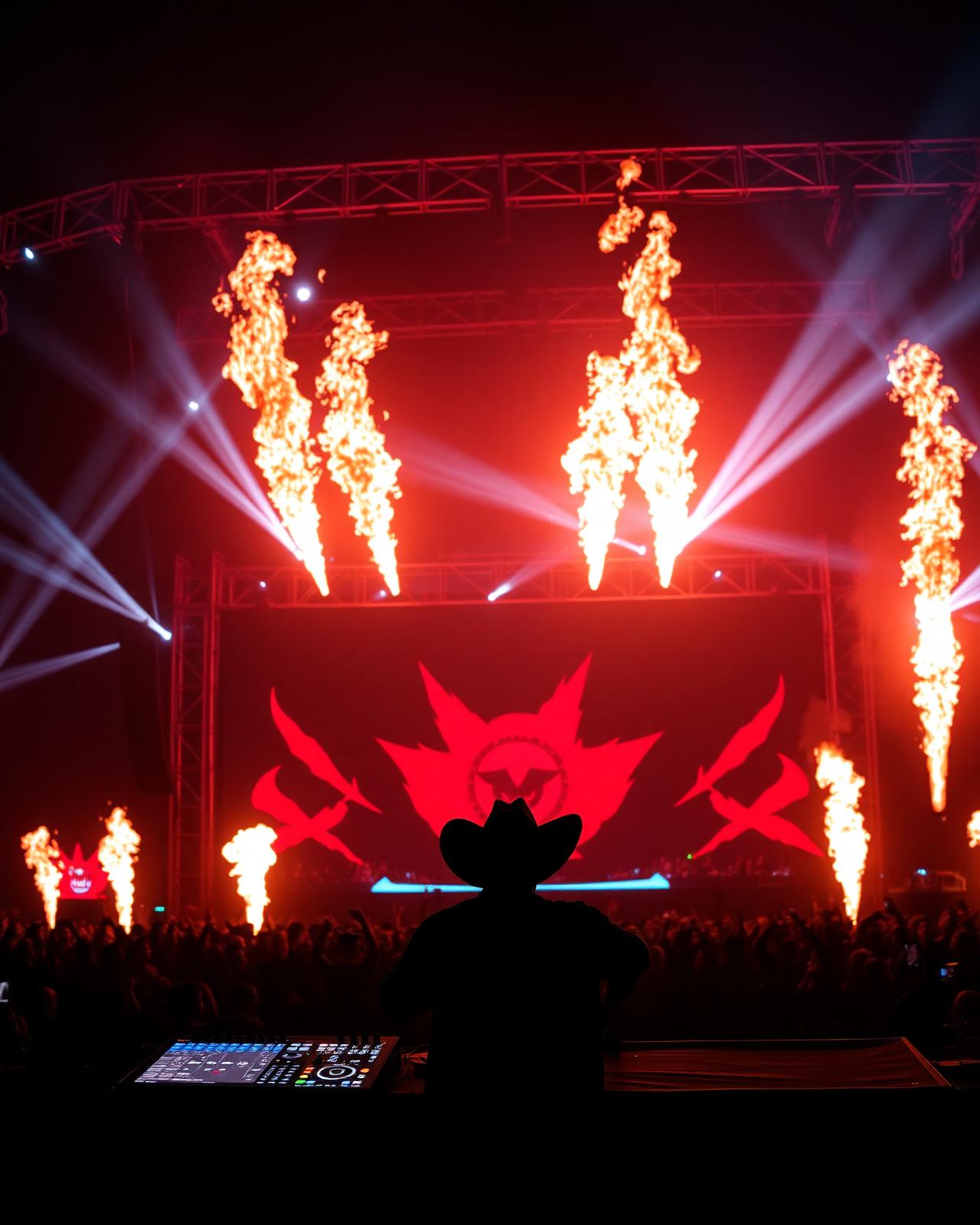
When planning DJ events, choosing between haze and fog machines requires understanding their distinct effects on atmosphere, visibility, and venue considerations like smoke alarms. Haze creates a subtle, light-enhancing ambient mist, while fog produces a dense, opaque cloud for dramatic visual impact, each serving different aesthetic and practical purposes depending on the event's needs.
Quick Answer: Haze vs. Fog
- Haze: Subtle, persistent mist that enhances lighting beams, typically less likely to trigger smoke alarms.
- Fog: Dense, opaque cloud for dramatic visual effects, dissipates faster, higher risk of triggering smoke alarms.
- Venue Consideration: Always confirm with the venue about their policies on atmospheric effects and alarm sensitivity.
- Impact on Lighting: Both make light visible, but haze creates a uniform canvas, while fog offers more dramatic, momentary effects.
What is the fundamental difference between haze and fog for events?
The core distinction between haze and fog lies in the density and persistence of the atmospheric effect they create. Haze machines, often called hazers, produce a fine, almost invisible mist of airborne particles that lingers uniformly in the air for extended periods. This subtle effect is designed to catch and refract light beams, making the light visible without obscuring the audience or performers. It creates a three-dimensional stage or dance floor environment where moving head lights can truly shine.
Fog machines, or foggers, on the other hand, generate a much denser, thicker cloud of vapor that is highly visible and dissipates relatively quickly. Fog is used for dramatic, opaque effects—think grand entrances, revealing a surprise, or creating a mysterious atmosphere for a few moments. While both effects are technically vaporized fluids, the fluid composition and the method of dispersion are different, leading to their distinct visual characteristics and applications in event production.
How do haze and fog interact with venue smoke alarms?
This is one of the most critical questions when deciding between haze and fog, as an unplanned alarm can halt an event. Venue smoke alarms, particularly optical (photoelectric) detectors, work by sensing particles in the air. Both haze and fog produce such particles.
- Haze: Generally, haze is less likely to trigger smoke alarms than fog. Its particles are much smaller and dispersed more finely, often staying below the density threshold for many modern alarm systems. However, highly sensitive alarms or excessive haze output in a poorly ventilated area can still cause a false alarm. Venues with older, less sophisticated smoke detection systems may be more susceptible.
- Fog: Fog produces a significantly higher concentration of larger particles, making it much more prone to triggering smoke alarms. The dense nature of fog often mimics the visual signature of actual smoke, immediately activating most optical smoke detectors. It is crucial to have a clear understanding of the venue's alarm system and policies before planning to use fog.
Before deploying either, always communicate with the venue manager, event coordinator, or fire marshal. They can provide essential information about their specific alarm systems, ventilation, and any restrictions or required permits for atmospheric effects. Sometimes, alarms can be temporarily disabled or put on a different sensitivity mode by venue staff, but this requires advance planning and authorization.
Which effect is best for enhancing lighting and creating atmosphere?
The choice between haze and fog significantly impacts the visual experience, especially concerning how dance floor lighting is perceived.
Haze excels at enhancing lighting: It creates a perfect canvas for light beams, making every laser, spotlight, and effect visible in the air. This allows for dynamic lighting designs that fill the space, creating depth and a truly immersive experience. Haze is ideal for prolonged periods where you want the lighting to be a continuous part of the aesthetic, like during a dance set with a DJ and live guitarist, or at a corporate event where sophisticated visuals are desired. The subtlety means it doesn't distract from the performers but rather integrates the light into the overall vibe.
Fog offers dramatic, momentary impact: While less effective for continuous light beam visibility due to its density, fog creates powerful, often startling, visual moments. It's excellent for reveals, sudden transitions, or to punctuate a specific beat drop. Because it dissipates faster, fog can be used selectively to create bursts of visual excitement. For example, CO2 cannons vs. cold spark machines serve a similar purpose of adding high-impact, short-duration effects.
Choosing the right effect depends on your overall vision: for an ever-present, ethereal glow that highlights every flicker of light, haze is the clear winner. For bold, brief visual statements that grab attention, fog is your go-to.
| Feature | Haze Machine (Hazer) | Fog Machine (Fogger) |
|---|---|---|
| Effect Density | Light, subtle, translucent mist | Dense, opaque cloud |
| Particle Size | Very fine, microscopic particles | Larger, thicker particles |
| Persistence | Lingers for extended periods | Dissipates relatively quickly |
| Alarm Risk | Lower risk, but possible with sensitive alarms | High risk of triggering smoke alarms |
| Visibility | Enhances light beams, maintains overall visibility | Obscures vision, creates dramatic reveal/disappearance |
| Best Use Case | Continuous ambient light enhancement, immersive feel | Dramatic entrances, sudden effects, special moments |
| Fluid Type | Typically glycol-based or oil-based | Water-based glycol |
FAQs About Atmospheric Effects for Events
Can I use a fog machine outdoors without triggering alarms?
Yes, using a fog machine outdoors significantly reduces the risk of triggering smoke alarms, as the particles disperse freely into the open air. Outdoor use allows for greater flexibility in creating dramatic effects without the same indoor restrictions. However, be mindful of wind conditions, which can quickly dissipate the fog or direct it into unwanted areas.
What are 'low-lying fog' effects, and how do they differ?
Low-lying fog machines create a dense fog that stays close to the ground, mimicking the look of dry ice without the associated safety concerns or expense. This effect is achieved by cooling the fog as it's produced, causing it to remain heavy and hug the floor. It's popular for first dances at weddings, Halloween events, or theatrical performances where a mystical ground-level cloud is desired, and it generally poses a lower risk to ceiling-mounted smoke detectors.
Are there different types of haze fluid, and do they matter?
Yes, there are typically water-based and oil-based haze fluids. Oil-based haze tends to produce a finer, longer-lasting haze that requires less fluid for continuous output, but machines designed for oil-based fluid cannot use water-based fluid and vice-versa. Water-based haze is often considered 'cleaner' and less prone to leaving residue. Always use the fluid type recommended by the machine's manufacturer to ensure optimal performance and avoid damage.
Understanding the nuances between haze and fog is vital for any event planner or production team. By considering the venue, desired atmosphere, and impact on lighting, you can select the perfect atmospheric effect to elevate your event. When you're ready to discuss production needs for your next event, including advanced lighting and special effects, visit our event production services page or reach out directly to booking@mixmodemusic.com.
Related reading
People also ask
Related questions
- How can I test the venue's smoke detectors before an event?
- Coordinate with venue staff or fire marshals to perform a controlled test of their smoke detection system with your chosen machine before the event. This ensures compliance and avoids unexpected interruptions.
- Are there any safety concerns with using haze or fog machines indoors?
- Both haze and fog are generally considered safe for indoor use, but proper ventilation is crucial. Overuse in confined spaces can reduce visibility and potentially cause respiratory irritation for sensitive individuals. Always use reputable fluids and machines.
- Can I use haze and fog machines simultaneously?
- Yes, some events benefit from using both; haze can provide a consistent atmospheric base for lighting, while fog can be deployed intermittently for specific dramatic moments or reveals. This combination requires careful planning and coordination.
- What alternatives are there if haze or fog is not allowed in a venue?
- If haze or fog is prohibited, consider alternative visual effects such as intelligent lighting that creates patterns and movement, LED screens for dynamic backdrops, or even CO2 cannons for short bursts of visual drama during peak moments.
- Does ambient temperature or humidity affect haze and fog performance?
- Yes, high humidity can cause fog to linger longer and appear denser, while dry air might make it dissipate faster. Haze can also be affected, with colder, drier air potentially leading to more visible, less uniform haze.
Stay in the loop
Not booking today?
Tour dates, new reels, and a heads up when dates open up. No spam, unsubscribe anytime.
Keep reading
Related guides
Production & Tech
CO2 Cannons vs. Cold Spark Machines for Events
CO2 cannons and cold spark machines offer distinct visual effects for events, with CO2 providing dramatic, fast-dissipating plumes and cold sparks creating a non-flammable, fountain-like display. The choice between them depends on your event's specific needs, venue restrictions, safety considerations, and desired aesthetic impact.
Production & Tech
Fraternity Party Production: What You Really Need
The production needs for a fraternity party depend on several factors, including the guest count, venue type, and desired atmosphere. Scaling sound, lighting, and power requirements based on these variables ensures both an impactful event and safe operations, whether you're hosting 50 or 500 guests.
Production & Tech
Production for a 500-Person College Event
A 500-person college event requires significant production planning, including a robust sound system, dynamic lighting, ample power, and an experienced crew to ensure a seamless experience. This involves specific speaker and subwoofer counts, strategic lighting design, and a detailed timeline for setup and teardown, all tailored to the venue and event type.
Browse the full Mixmode Knowledge Base.