College Events · 7 min read
Booking a Touring DJ for Your College Event
Booking a touring DJ for a college event requires careful planning, starting with a clear understanding of your budget, event goals, and campus regulations. This process involves navigating contracts, technical riders, hospitality requirements, and insurance, often with extended timelines due to multiple university approvals.
By Jordan Miller · Mixmode (Austin, TX)
Published August 14, 2026
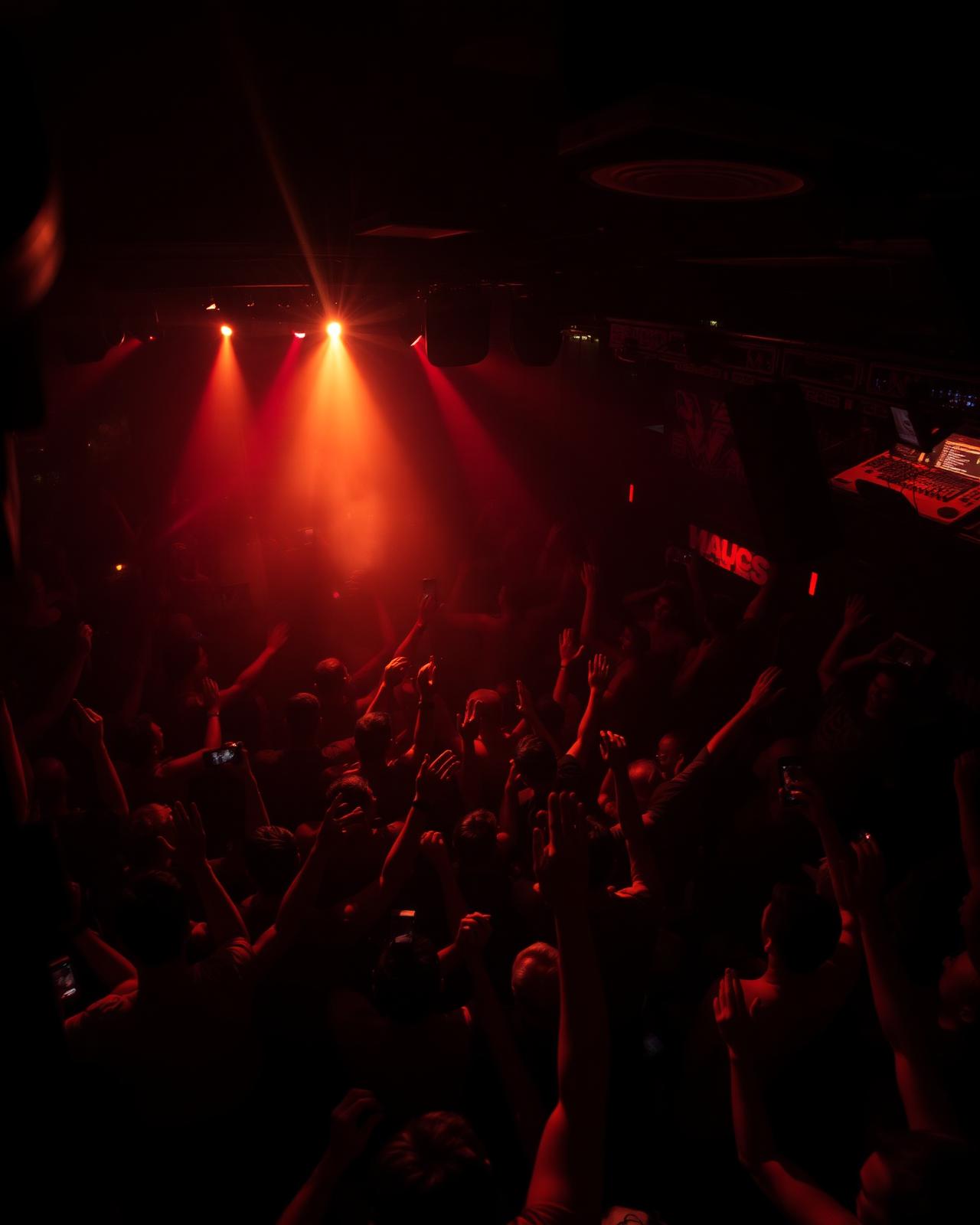
Booking a touring DJ for a college event requires careful planning, starting with a clear understanding of your budget, event goals, and campus regulations. This process involves navigating contracts, technical riders, hospitality requirements, and insurance, often with extended timelines due to multiple university approvals. By proactively managing these details, programming boards can ensure a smooth event and a successful performance.
At Mixmode, we understand the unique environment of university events and work closely with programming boards to facilitate a seamless booking and performance experience. Our experience in the rooms we play, from /colleges to /fraternities, helps us anticipate and address common challenges, ensuring your event is a success.
Quick Answer: Booking a Touring DJ for College
- Start Early: Plan 6-12 months out for contracts and approvals.
- Understand Riders: Distinguish between technical and hospitality needs.
- Know Campus Rules: Be aware of university policies on contracts, insurance, and facilities.
- Communicate Clearly: Maintain open dialogue with agents and the touring team.
- Prepare Your Venue: Ensure the stage, power, and loading dock meet specifications.
Why Does Booking a Touring DJ for College Events Differ from Other Bookings?
College event bookings have distinct characteristics that set them apart from private or corporate events. The institutional nature of a university introduces specific requirements for contracts, insurance, and approval processes that necessitate a more structured and often longer advance timeline. Unlike a quick booking for a private party, university events often involve multiple departments, legal review, and strict financial protocols.
Touring acts, by their nature, carry specific operational needs—travel logistics, detailed technical setups, and hospitality considerations. When combined with the university environment, these factors require meticulous coordination. Ensuring compliance with campus policies, while also meeting the needs of the performing artist, is key to a successful event. For instance, understanding the load-in access, available power, and security protocols of your specific venue on campus is critical well before the performance day.
What is the Typical Booking and Advance Process?
The booking and advance process for a touring DJ or hybrid act like Mixmode on a college campus involves several key phases, each requiring attention to detail and timely execution. Understanding this process upfront helps programming boards manage expectations and workflows.
Initial Inquiry and Contract Negotiation
The first step involves reaching out to an artist's agent or management with your event details: date, budget, venue, and a brief description of the event. If there's mutual interest, you'll receive an offer sheet. This document outlines the proposed fee, performance length, and initial rider terms. Negotiation often follows, focusing on these financial and logistical points. Once terms are agreed upon, a formal contract is issued. University contracts often undergo legal review, which can add significant time to the process. Be prepared for your university's legal department to suggest modifications.
Technical and Hospitality Riders
Every touring act provides riders detailing their needs for a successful performance. These are non-negotiable for most professional acts and must be adhered to. Failure to meet rider requirements can jeopardize the performance or incur additional costs.
| Feature | Technical Rider | Hospitality Rider |
|---|---|---|
| Purpose | Outlines all equipment, stage, sound, lighting, and power requirements for the performance. | Details needs for the comfort and well-being of the artists and crew backstage/on-site. |
| Key Elements | Specific DJ gear (e.g., Pioneer CDJs, mixer), PA system, monitors, stage size, power drops, lighting plot, sound engineer, microphones for live instruments. | Dressing room amenities (towels, mirrors), catering (food, drinks), local transportation, hotel accommodation (if applicable), security. |
| Impact | Directly affects the quality and feasibility of the performance. Must be provided exactly as specified. | Ensures artists are rested and prepared, contributing to a positive performance. |
| Campus Review | Requires review by AV/production teams and facility managers to confirm capabilities. | Reviewed by event planners; often has campus-specific food or vendor restrictions. |
| Compliance | Non-negotiable for performance. If unable to meet, alternative solutions must be agreed upon in writing. | Often has some flexibility for substitution of comparable items with prior communication. |
It's crucial for programming boards to share these riders with their campus facilities, AV, and catering teams immediately upon receipt. Early communication allows time to address any discrepancies or logistical challenges.
Insurance and University Approvals
Universities typically require that all vendors, including entertainment, carry specific levels of liability insurance. The touring act will need to provide a Certificate of Insurance (COI) naming the university as an additional insured. This is a standard requirement for protecting both parties.
Beyond insurance, university events often require approvals from various departments: student activities, campus safety, facility management, and even the fire marshal. These approvals ensure the event complies with all campus policies and safety regulations. Building in ample time for these internal processes is critical; delays here can hold up contracts and production plans, impacting your event timeline significantly. For more details on managing university events, refer to our guide on /knowledge/college-events and /knowledge/topics/college-events.
What Considerations Affect Cost and Planning for a Touring Act?
The cost of booking a touring DJ for a college event is influenced by several factors beyond just the artist's fee. These elements need to be factored into your overall event budget from the outset.
Production Requirements
Meeting the technical rider can be a significant cost. This includes renting specific sound systems, lighting, staging elements, and hiring qualified production staff (sound engineers, lighting technicians, stagehands). Many campuses have in-house AV resources, but these may not always meet the precise specifications of a touring act's rider, necessitating external rentals. Our article on /knowledge/event-production offers more insights into planning these aspects.
Travel and Accommodation
As a touring act, Mixmode's team travels to your campus. This includes flights, ground transportation (local and to/from airports), and hotel accommodations for the duration of their stay. The number of people traveling and the distance to the campus will directly impact these expenses. These costs are usually itemized within the contract or hospitality rider.
Staffing and Personnel
Beyond the performers, a touring act may travel with a tour manager or production manager. On-site, you will also need to budget for campus security, ushers, box office staff (if ticketed), and any additional production personnel required by the technical rider or campus policy. Clear communication with campus resources is essential to determine what staffing can be provided internally versus what needs to be hired externally.
Event Timelines and Flexibility
College event timelines can be rigid, with academic calendars dictating prime booking dates. Being flexible with your date options can sometimes help with artist availability and pricing. However, once a date is set, adhering to the production schedule is paramount. Load-in, soundcheck, performance, and load-out times must be coordinated meticulously with campus venue staff and the touring team. Understanding the unique blend of a DJ and live guitar for such events can also help in planning, as discussed in /blog/the-hybrid-duo-is-the-new-college-booking.
FAQs About Booking Touring DJs for College Events
How does the size of our event impact the booking process?
Larger events generally require more extensive planning, production, and staffing, leading to longer lead times and higher overall costs. Smaller, more intimate events might have simpler requirements, but all touring acts will still have a contract and riders that need to be fulfilled.
What if our campus cannot meet a specific rider requirement?
If your campus cannot meet a specific rider requirement, it is crucial to communicate this immediately to the artist's agent. Do not assume substitutions or try to make changes on your own. Often, an alternative solution can be negotiated, but it must be agreed upon in writing by all parties involved to avoid issues on event day.
What are common pitfalls to avoid when booking a touring act for a college?
Common pitfalls include underestimating the time needed for university approvals, failing to thoroughly read and understand riders, neglecting to budget for production and travel costs, and poor communication with either the artist's team or internal campus departments. Proactive planning and clear communication are your best defense against these issues.
For more information on bringing dynamic entertainment to your campus or to inquire about booking Mixmode for your next college event, visit our /booking page or email us at booking@mixmodemusic.com. We look forward to working with you to create an unforgettable experience.
Related reading
People also ask
Related questions
- What information should we prepare before reaching out to an agent?
- Before contacting an agent, have your event date(s), budget range, preferred performance length, estimated attendance, and a clear understanding of the venue's capabilities ready. This helps agents quickly assess fit and provide relevant options.
- Are there specific campus requirements we should be aware of when booking entertainment?
- Many campuses have specific requirements regarding vendor insurance, background checks for performers, noise ordinances, and facility usage policies. It's crucial to understand these internal rules early in your planning process.
- How does a hybrid DJ + live guitar duo like Mixmode fit into college event programming?
- A hybrid DJ + live guitar duo offers a dynamic and versatile entertainment option that combines the energy of a DJ set with the excitement of live instrumentation. This unique format caters to diverse musical tastes, making it suitable for everything from high-energy parties to themed events like /emo-nights or /country-edm dance parties.
- What is the typical time commitment for a touring DJ's soundcheck?
- For a touring DJ with live elements, a soundcheck can typically range from 60 to 90 minutes, depending on the complexity of their setup and the venue's existing sound system. This timeframe ensures all equipment is optimized for the best performance.
Stay in the loop
Not booking today?
Tour dates, new reels, and a heads up when dates open up. No spam, unsubscribe anytime.
Keep reading
Related guides
Emo & Pop-Punk
Planning Your Emo Night Event: A Host's Playbook
Throwing a successful Emo Night requires careful attention to music programming, venue atmosphere, promotion, and technical production. Curate a nostalgic yet high-energy experience by blending classic emo and pop-punk anthems with engaging live elements, ensuring your event stands out.
Scene & Trends
Touring Emo with a Hybrid DJ + Guitar Duo | MIXMODE
A hybrid DJ + live guitarist duo like MIXMODE can effectively cover any music scene, from emo to EDM, because the combination offers unparalleled genre versatility, dynamic live energy, and customizability that traditional bands often lack.
Production & Tech
Production for a 500-Person College Event
A 500-person college event requires significant production planning, including a robust sound system, dynamic lighting, ample power, and an experienced crew to ensure a seamless experience. This involves specific speaker and subwoofer counts, strategic lighting design, and a detailed timeline for setup and teardown, all tailored to the venue and event type.
Browse the full Mixmode Knowledge Base.