College Events · 5 min read
Campus vs. Club: Music Strategies for College Events
College events often require a different musical approach than club nights due to audience demographics, event context, and campus regulations. While both aim for high energy, campus programming typically prioritizes broader appeal and may have content restrictions on explicit lyrics or themes, necessitating a more curated and adaptable DJ set.
By Jordan Miller · Mixmode (Austin, TX)
Published August 14, 2026
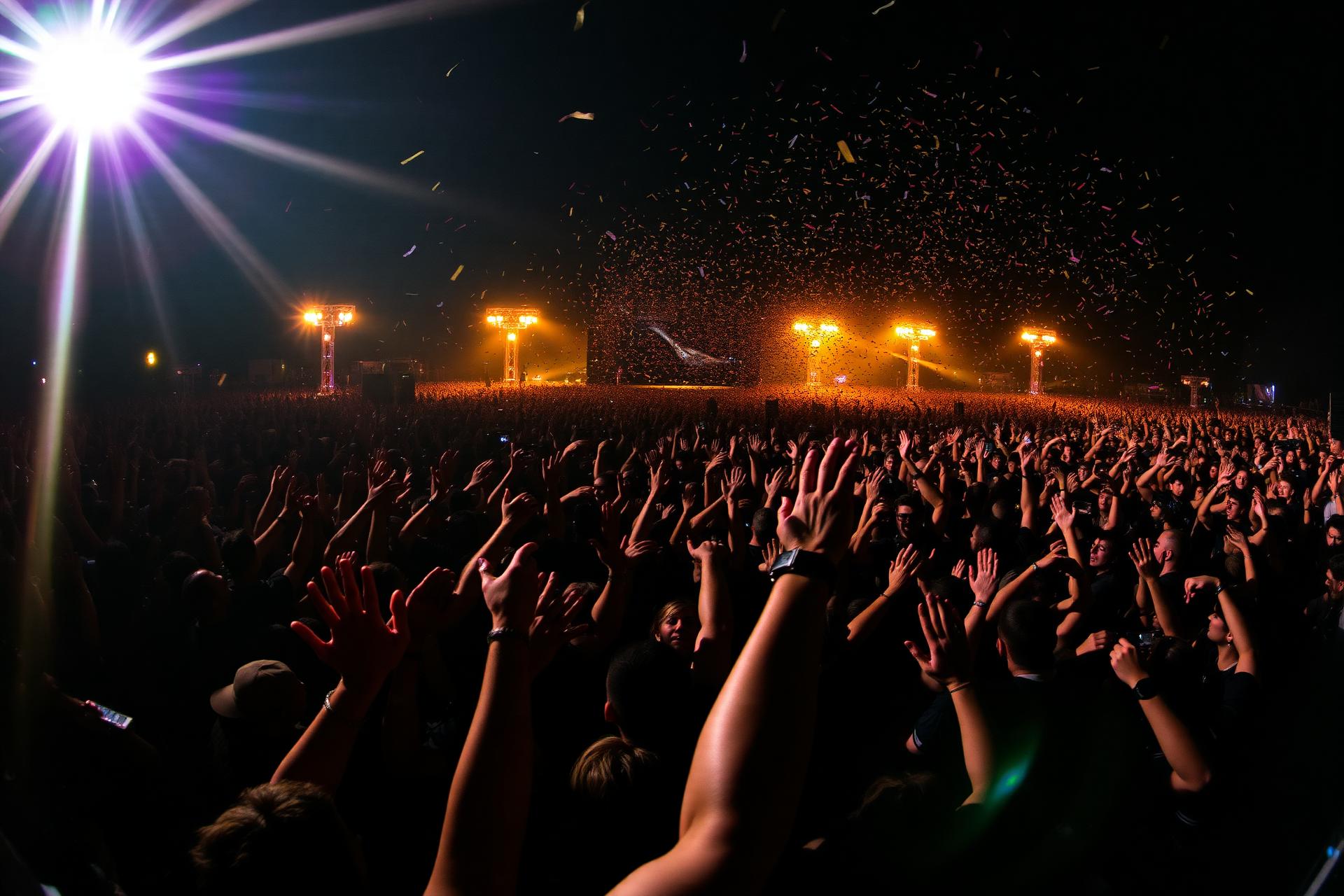
College events often require a different musical approach than club nights due to audience demographics, event context, and campus regulations. While both aim for high energy, campus programming typically prioritizes broader appeal and may have content restrictions on explicit lyrics or themes, necessitating a more curated and adaptable DJ set. Understanding these nuances is key to planning successful and memorable events that resonate with a diverse student body.
Quick Answer
- Audience Diversity: College crowds are broader, spanning various age groups and backgrounds.
- Content Restrictions: Campus policies often require clean edits and family-friendly themes.
- Vibe Management: Sets need to adapt to different event types, from daytime festivals to late-night formals.
- Genre Flexibility: A wider range of music is often needed to engage everyone.
What Makes a College Crowd Different from a Club Crowd?
The primary distinction lies in the demographic breadth and the underlying purpose of the gathering. A nightclub typically draws a self-selecting 21+ crowd focused on a specific night out, often with a clear expectation for a particular style of music or energy. College events, however, encompass a much wider age range, from 18-year-old freshmen to graduate students, faculty, and even alumni.
This means the music selection must appeal to a broader palate. While a club might thrive on deep house all night, a college event may need to transition from Top 40 to hip-hop, then to country, and back again, all within a few hours. The goal isn't just dancing; it's often community building, celebration, or fostering school spirit. The environment is also different; a campus setting can be more inclusive, requiring music that is generally more accessible and less niche than what might be heard in a specialized club.
Are There Content Rules for Music on Campus?
Yes, campus environments often operate under specific guidelines regarding content. Unlike an age-restricted nightclub, college events are typically open to all students, and sometimes even minors or faculty. This usually means a stricter approach to explicit lyrics, themes, and imagery.
Most universities and student organizations require that music played at campus events be radio-edited or clean. This isn't just about avoiding profanity; it extends to avoiding overtly suggestive content or themes that might be deemed inappropriate for an all-ages or academic setting. Event planners should always confirm these guidelines with the university's student activities office or event coordinator well in advance. Understanding these rules is crucial for a smooth event, ensuring everyone can enjoy the music without discomfort or policy violations.
How Do Mixmode DJ Sets Adapt for College Events?
Our approach to college events is centered on maximum flexibility and engagement, recognizing the unique characteristics of campus audiences. We prioritize reading the room and seamlessly blending genres to maintain energy and inclusivity.
Genre Adaptability
Mixmode's core is Country EDM, a genre that already bridges different musical worlds. For college events, we leverage this versatility to move effortlessly through various styles. One moment we might be playing a high-energy house track, the next transitioning into a classic rock anthem, then a current hip-hop hit, and later, a pop-punk singalong. This eclectic mix ensures that different segments of the audience connect with the music throughout the night. Our experience in diverse settings like fraternities and large university gatherings has honed our ability to pivot based on the crowd's response. From /country-edm to /hip-hop-edm, and even dedicated /emo-nights or /punk-rock-edm sets, we're ready for the full spectrum.
Clean Edits and Energy Management
Crucially, our entire music library is maintained with clean, radio-edited versions of tracks. This allows us to deliver the same high-energy performances without crossing any content boundaries. We focus on the instrumental drive and melodic hooks that make songs popular, ensuring the vibe remains infectious even with explicit lyrics removed. The live electric guitar from Kristian Cruz adds a dynamic layer that makes even familiar tracks feel fresh and exciting, providing a live-instrumentation alternative to explicit vocal sections.
College Event Music vs. Club Music: A Comparison
| Feature | College Event Music | Club Music |
|---|---|---|
| Audience | Broad (18+, faculty, alumni), diverse tastes | Specific demographic (often 21+), niche or trend-driven |
| Content | Often requires clean edits, family-friendly themes | More lenient on explicit content, depending on venue |
| Genre Flow | Multi-genre, adaptable, frequent transitions | Can be genre-specific (e.g., house, techno, hip-hop) |
| Vibe Focus | Inclusive, community, school spirit, broad appeal | High energy, dancing, often specific subculture |
| Event Type | Formals, festivals, Greek life, pep rallies, dances | Weekend nights, themed parties |
| Goal | Engagement, participation, campus experience | Dancing, socializing, specific musical immersion |
This table highlights why a one-size-fits-all approach to music programming rarely works across these different event types. For successful /colleges events, understanding these distinctions and having an adaptable entertainment solution is paramount.
What Does a DJ Need to Know for a College Event?
Beyond just the music, a DJ working a college event needs to be attuned to the specifics of the campus environment and event logistics. This includes understanding the venue, load-in and load-out procedures, and any sound restrictions.
Often, campus venues can range from large outdoor fields to smaller student union ballrooms or gymnasiums. Each requires a different approach to sound and setup. Load-in and setup times might be constrained by class schedules or other campus activities, so efficiency is key. We typically arrive well in advance to ensure all sound and lighting is optimally configured for the specific space and the event's anticipated attendance. This proactive approach to /event-production minimizes stress and maximizes performance quality.
Another consideration is sound ordinances, particularly for outdoor events or those near residential halls. While the goal is always to create a high-energy atmosphere, we are mindful of volume levels and potential cutoff times to ensure compliance with campus rules. This local knowledge, often gained through direct experience with university event staff, helps prevent unexpected issues during the event.
For more insights into creating impactful college experiences, explore our guide on [/knowledge/college-events].
Booking Mixmode for your college event means partnering with a duo that understands these nuances. We provide a dynamic, genre-blending, and campus-appropriate entertainment experience designed to keep your students engaged from start to finish. Contact us at booking@mixmodemusic.com to discuss your event, or visit our [/booking] page to learn more.
Related reading
Stay in the loop
Not booking today?
Tour dates, new reels, and a heads up when dates open up. No spam, unsubscribe anytime.
Keep reading
Related guides
DJ + Live Guitar
Versatile Entertainment: Best Events for DJ + Live Guitar
A DJ + live guitar duo is ideally suited for events that demand high energy, genre versatility, and a unique, engaging experience that combines the best of recorded music with live performance. This hybrid format excels in environments where diverse musical tastes converge and an elevated atmosphere is desired, making it perfect for celebrations, corporate gatherings, and large-scale public events alike.
Scene & Trends
80s Night, But Louder: Hybrid DJ & Live Guitar for Nightclubs
MIXMODE elevates 80s nights in nightclubs with a unique blend of DJing and live electric guitar, delivering a high-energy, genre-bending retro experience that captivates modern audiences.
College Events
Booking a Touring DJ for Your College Event
Booking a touring DJ for a college event requires careful planning, starting with a clear understanding of your budget, event goals, and campus regulations. This process involves navigating contracts, technical riders, hospitality requirements, and insurance, often with extended timelines due to multiple university approvals.
Browse the full Mixmode Knowledge Base.