Production & Tech · 6 min read
Stage Space for a Hybrid DJ & Guitar Duo
A hybrid DJ and live guitar duo typically requires a minimum stage footprint of 8 feet wide by 6 feet deep, though 10x8 feet is ideal for comfortable performance and equipment placement. This space accommodates DJ equipment, guitar gear, and allows for dynamic movement from both performers.
By Jordan Miller · Mixmode (Austin, TX)
Published August 14, 2026
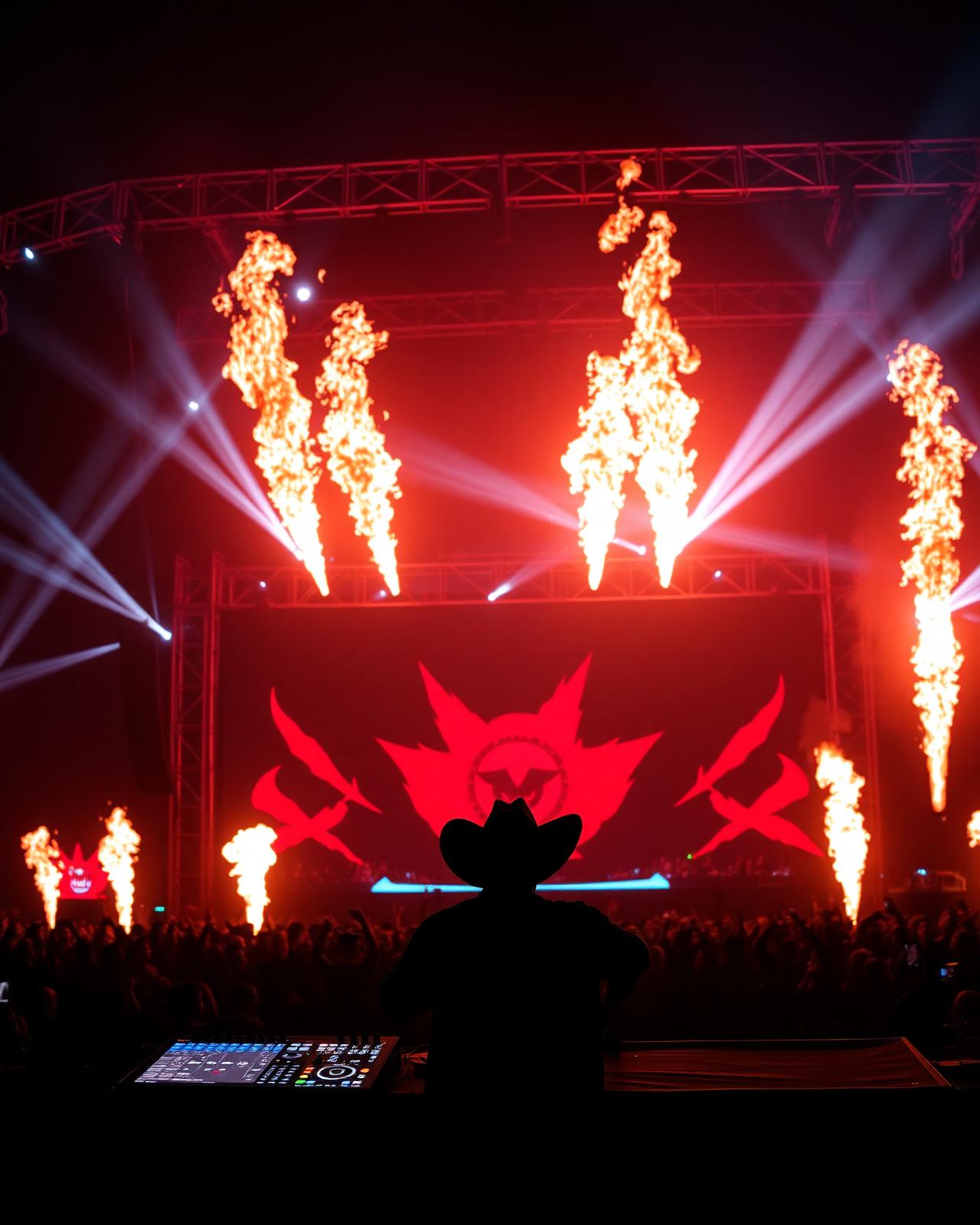
A hybrid DJ and live guitar duo typically requires a minimum stage footprint of 8 feet wide by 6 feet deep, though 10x8 feet is ideal for comfortable performance and equipment placement. This space accommodates DJ equipment, Kristian Cruz's guitar rig, and allows for dynamic movement from both performers, ensuring a compelling live show. Understanding these requirements early in your planning prevents production headaches and contributes to a smooth event.
Our setup is designed for efficiency and impact, balancing the need for space with the ability to fit into various venue types, from intimate private events to large festival stages. We prioritize clear communication regarding stage needs to ensure a seamless experience for everyone involved.
Quick Answer
- Minimum Stage Size: 8ft wide x 6ft deep (48 sq ft)
- Ideal Stage Size: 10ft wide x 8ft deep (80 sq ft)
- Power: Minimum two dedicated 20-amp circuits
- Load-in/Setup: 60-90 minutes (clear access essential)
- Backstage: Space for gear storage and green room for performers
What are the Core Stage Dimensions for a DJ & Guitar Duo?
Setting up for a performance requires careful consideration of the physical space available. A hybrid DJ and live electric guitar duo like Mixmode combines distinct elements that each need their own working area, while also allowing for interaction between the performers. Jordan Miller operates the DJ booth, and Kristian Cruz performs on live electric guitar, requiring space for his amplifier, pedalboard, and movement.
Minimum Footprint
At a minimum, we require a stage space that is 8 feet wide by 6 feet deep. This allows just enough room for the DJ console, Kristian's guitar amplifier and pedalboard, and a safe, functional area for both performers to stand and engage with the music. While tight, this footprint is workable for smaller venues or intimate settings where space is at a premium. It accommodates our core equipment while maintaining performer safety.
Ideal Footprint
For optimal performance, a stage dimension of 10 feet wide by 8 feet deep is preferred. This size provides ample room for equipment, allows Kristian Cruz to move dynamically with his guitar, and gives Jordan Miller space to interact comfortably within the DJ booth. This extra room enhances the visual presentation and makes for a more energetic and engaging performance. The larger space also provides flexibility for monitor placement and safe cable management, which are crucial for any live setup.
What Production Elements Impact Stage Space Needs?
The overall footprint is just one piece of the puzzle. Several other production elements play a significant role in how much space is truly usable and how smoothly the event runs. These considerations are vital for effective event production.
Power Requirements
Reliable power is non-negotiable. For a hybrid DJ and live guitar duo, we recommend a minimum of two dedicated 20-amp circuits. Ideally, the DJ equipment and the guitar amplifier should be on separate circuits to prevent power fluctuations or interference. This protects sensitive audio equipment and ensures consistent sound quality throughout the performance. In the rooms we play, having multiple, stable power drops is a common request and essential for a successful show.
Monitor Placement and Backline
Performers need to hear themselves clearly to deliver their best. This means dedicating space for stage monitors. For our setup, two wedge monitors are typically placed at the front of the stage, angled towards each performer. If in-ear monitors are used, the stage footprint needs to accommodate a wireless rack. Kristian Cruz's guitar amplifier (often a combo or head and cabinet) also needs dedicated space behind him. Efficient placement of these elements ensures both performers have excellent audio feedback without compromising stage aesthetics or safety.
Load-In and Accessibility
The efficiency of load-in and setup directly impacts your event timeline. Our team typically requires 60 to 90 minutes for setup, provided there is clear, unobstructed access to the stage area. This includes time for bringing in gear, setting it up, and soundchecking. Stairs, long distances from the loading dock, or crowded hallways can extend this time. Communicating any access challenges beforehand is crucial for proper scheduling. This is a key part of our approach to event planning.
Stage Risers and Elevation
While not always strictly necessary, a stage riser is often beneficial for visibility, especially for larger audiences or in venues with flat floors. Elevating the performers ensures everyone in the room can see the live action, enhancing the audience's engagement with the unique dynamic of a DJ + live guitar performance. The height of the riser should be appropriate for the venue, typically between 12 to 24 inches.
Comparison: Standard vs. Expanded Stage Requirements
Understanding the difference between a workable minimum and an ideal setup can help you plan your event space effectively. While Mixmode is adaptable, providing optimal conditions always leads to the best possible show.
| Feature | Minimum (8ft W x 6ft D) | Ideal (10ft W x 8ft D) |
|---|---|---|
| DJ Console | Compact placement | Ample space for gear and movement |
| Guitar Rig | Amplifier and pedalboard closely integrated | Dedicated space for amp, pedalboard, and guitarist movement |
| Performer Movement | Limited to static positions | Dynamic movement and interaction encouraged |
| Monitor Placement | Basic wedge placement | Flexible placement for optimal sound |
| Visual Impact | Functional, less expansive | Enhanced, more energetic stage presence |
| Cable Management | Requires very precise routing | Easier, safer, and cleaner cable organization |
Selecting the ideal stage size, where possible, enhances the performance quality and ensures a more comfortable and visually appealing experience for both the artists and your guests. This is particularly true for events like weddings or corporate events where the visual aspect is paramount.
How Can Planners Ensure a Smooth Setup?
Proactive communication and preparation are your best tools for a seamless event. Providing clear information to your entertainment partners simplifies the entire production process.
Share Venue Details
Provide detailed floor plans, photos, and any technical specifications of the stage or performance area well in advance. Information about load-in routes, available power outlets, and lighting options is invaluable. If possible, a site visit or virtual walkthrough can also be incredibly helpful in understanding the spatial context.
Discuss Production Riders
Every professional act provides a technical rider outlining their specific requirements for sound, lighting, stage, and hospitality. Reviewing this rider early allows you to address any potential conflicts or challenges before the event day. Our rider clearly specifies what we need to deliver a top-tier performance, whether it's our signature Country EDM set or a high-energy emo night.
Coordinate with Venue Staff
Ensure that venue staff, especially those responsible for facilities or technical support, are aware of the production schedule and specific needs. Having a designated point person at the venue who understands the stage requirements can prevent delays and facilitate quick problem-solving. This kind of coordination is critical for any event, from college events to large-scale festivals.
For a smooth planning experience and to discuss your specific event's production needs, please reach out to us at booking@mixmodemusic.com. We're ready to help you plan an unforgettable experience. You can also visit our booking page for more information.
Related reading
People also ask
Related questions
- What power requirements are needed for a DJ and live guitar duo?
- A hybrid DJ and live guitar duo typically requires at least two dedicated 20-amp circuits, with separate circuits preferred for audio equipment and guitar amplifiers to prevent interference and ensure stable power.
- How long does load-in and setup take for Mixmode?
- Load-in and setup for Mixmode usually takes between 60 to 90 minutes, depending on stage accessibility, venue layout, and whether additional production elements are included.
- What kind of PA system does Mixmode use or require?
- Mixmode typically provides a professional-grade sound system suitable for the expected audience size and venue acoustics, which will be specified in the event production rider. For larger events, we can work with existing house sound or collaborate with a third-party production company.
- Are stage risers required for a duo performance?
- Stage risers are not strictly required but are often beneficial for visibility, especially in larger rooms or at festivals. They help elevate the performers, enhancing the visual experience for the audience.
Stay in the loop
Not booking today?
Tour dates, new reels, and a heads up when dates open up. No spam, unsubscribe anytime.
Keep reading
Related guides
Production & Tech
Dance Floor Lighting: Essential Elements for Event Planners
Effective dance floor lighting transforms an event space, setting the mood, enhancing the music, and engaging guests. This guide covers fixture types, quantity, power needs, and practical considerations for creating an energetic and memorable atmosphere.
Scene & Trends
Touring Emo with a Hybrid DJ + Guitar Duo | MIXMODE
A hybrid DJ + live guitarist duo like MIXMODE can effectively cover any music scene, from emo to EDM, because the combination offers unparalleled genre versatility, dynamic live energy, and customizability that traditional bands often lack.
Scene & Trends
Hybrid DJ Live Guitar Duo: Festival House Music Innovation
MIXMODE delivers house music with live guitar solos, creating an unexpected and electrifying festival moment that captivates audiences and offers a fresh programming option for talent buyers and promoters seeking unique live entertainment.
Browse the full Mixmode Knowledge Base.