Weddings · 6 min read
A 6-Hour Wedding Reception Run of Show Example
A successful 6-hour wedding reception run of show balances formal milestones like grand entrances and toasts with uninterrupted dance floor time.
By Jordan Miller · Mixmode (Austin, TX)
Published October 22, 2026
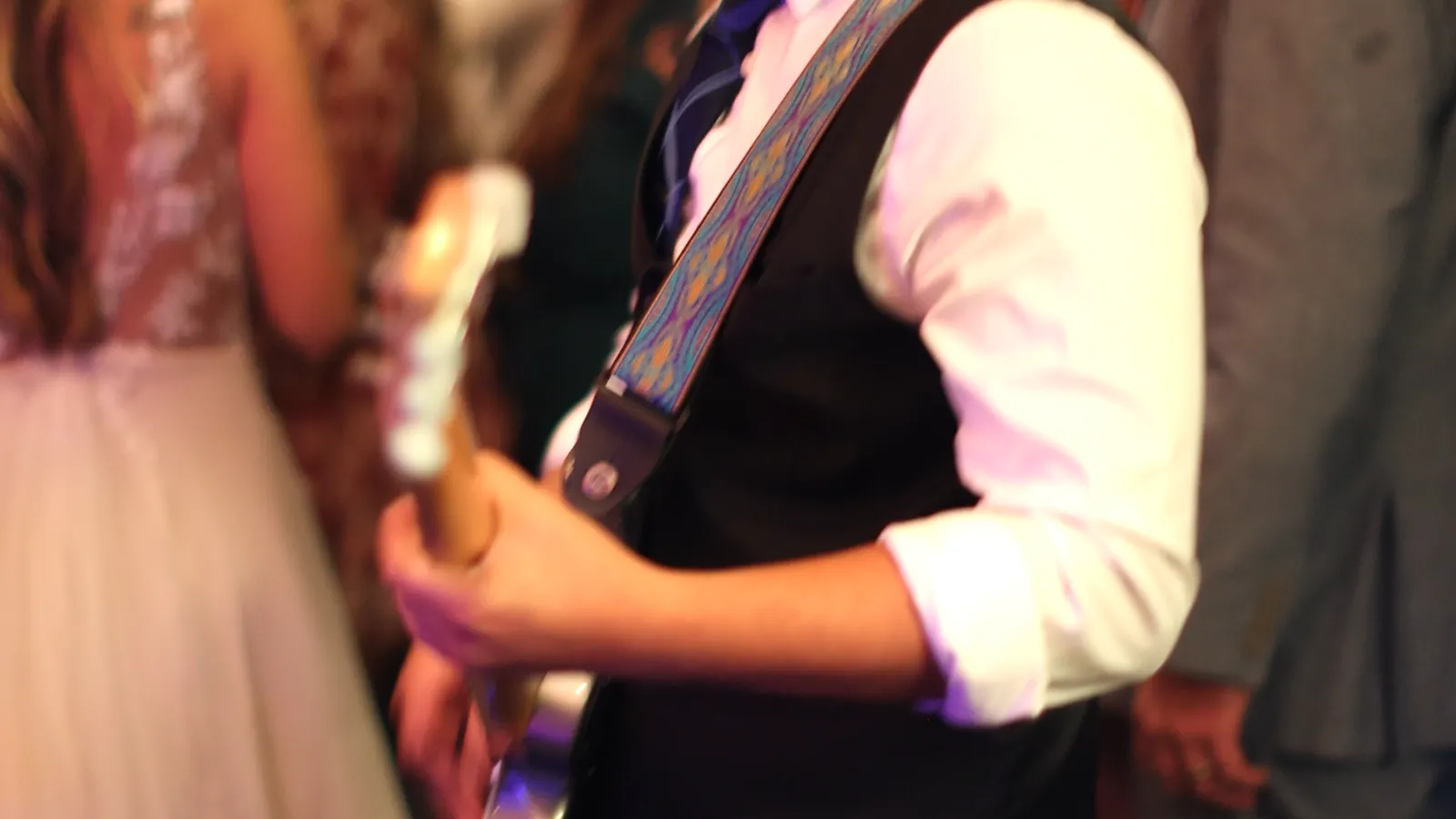
A practical 6-hour wedding reception run of show distributes time between arrivals, dinner formalities, and an uninterrupted dance party. Managing this timeline requires aligning catering milestones, microphone handoffs, and music energy so guests never feel stranded or hurried. Please note that the schedule below is an illustrative example of an evening reception build rather than a single documented Mixmode booking.
Quick answer: the 6-hour structure
- Hour 1 (5:00 PM – 6:00 PM): Cocktail hour, arrivals, acoustic or low-key background music, and audio checks.
- Hour 2 (6:00 PM – 7:00 PM): Grand entrance, welcome remarks, and first course dinner service.
- Hour 3 (7:00 PM – 8:00 PM): Dinner continues, toasts, cake cutting, and formal first dances.
- Hour 4 (8:00 PM – 9:00 PM): Dance floor opens with multi-generational hits and early uptempo classics.
- Hour 5 (9:00 PM – 10:00 PM): Peak dance party featuring high-energy transitions, live solos, and club mixes.
- Hour 6 (10:00 PM – 11:00 PM): Final party push, late-night snack service, last dance, and grand exit.
How should you structure the reception timeline?
Organizing a six-hour block requires clear separation between background ambiance, formal program milestones, and active party sets. When couples ask about wedding entertainment options, the biggest concern is often avoiding pacing lulls. If speeches run long or food service lags, the dance floor suffers first.
5:00 PM           6:00 PM         7:15 PM       8:00 PM                     11:00 PM
  |                  |               |             |                            |
  +-- Cocktails -----+-- Dinner -----+-- Formal ---+-- Open Dance Party --------+
      Mingle & Sip       Entrees         Toasts &      Peak Sets & Live Solos
                         Served          Dances
Here is how an experienced wedding production crew plans out each phase:
Hours 1 & 2: Cocktails, seating, and grand entrances
- 3:00 PM (Pre-Event): Production load-in and audio engineering. The sound engineer rings out wireless handheld microphones, walks the room to verify speaker coverage, and establishes the wireless instrument signal chain. Kristian Cruz presets the pedalboard, checks the digital wireless guitar transmitter, and runs silent in-ear monitor checks while DJ Jordan Miller verifies master line levels with the venue house system.
- 5:00 PM: Guest arrival and cocktail hour. Curated downtempo tracks, such as indie soul, acoustic arrangements, or melodic deep house, play at 68 to 72 decibels, allowing easy conversation without shouting.
- 6:00 PM: Ballroom doors open. Gentle music cues guide guests toward their assigned tables.
- 6:15 PM: Grand entrance. The DJ initiates high-energy entrance tracks for the wedding party and the newlyweds, making crisp announcements via wireless microphone before fading into warm, ambient dinner selections.
Hour 3: Dinner service, toasts, and formal dances
- 6:30 PM: Dinner is served. Volume stays moderate while guests dine. Background selections focus on classic soul, modern acoustic covers, and mid-tempo groove.
- 7:15 PM: Champagne poured and toasts begin. The MC tests line-of-sight with the maid of honor, best man, and hosts, delivering the wireless mic with fresh backup batteries standing by at the production table.
- 7:45 PM: Cake cutting and formal dances. The couple proceeds immediately to the dance floor for their first dance, followed seamlessly by parent dances to keep the room engaged in a single visual block.
Hours 4 through 6: Open dancing, peak energy, and send-off
- 8:00 PM: Dance floor opens. The DJ launches the set with accessible, cross-generational funk, pop, and Motown to gather guests of all ages.
- 8:45 PM: Transition to driving rhythm. The live electric guitar joins the mix, trading rhythm riffs and soaring leads over modern pop remixes, country EDM, and festival anthems. Choosing between traditional setups or hybrid formats often comes down to energy, as detailed in our guide comparing a DJ vs. band for weddings.
- 9:30 PM: High-intensity dance sets. The music moves between dance floor staples, classic rock lead riffs, pop-punk anthems, and house tracks. For couples planning concert-level energy, see our breakdown on making your wedding reception feel like a concert.
- 10:45 PM: Last dance. The full room gathers for an explosive final song or an intimate slow track while the coordinator preps outside.
- 10:55 PM: Guests head to the exit walkway for sparklers, bubbles, or private send-offs, followed by teardown at 11:00 PM.
Timeline comparison: formal vs. dance-heavy layouts
Every couple prioritizes different elements. Some want lengthy seated dining and multiple courses, while others aim to compress formalities to get directly to the party. Consider how these common six-hour timelines compare:
| Feature | Traditional Formal Layout | Dance-Heavy Party Layout | Hybrid Festival Layout |
|---|---|---|---|
| Cocktail Hour | 60 minutes (separate area) | 60 minutes | 45 minutes |
| Dinner & Speeches | 90 minutes (multiple courses) | 60 minutes (compact toasts) | 60 minutes (plated or family style) |
| Formal Dances | Staggered throughout dinner | Grouped right after dinner | Placed immediately after grand entrance |
| Open Dancing Time | 90 to 120 minutes | 150 minutes | 165+ minutes |
| Live Musician Integration | Solo acoustic at cocktails only | Full set starting mid-reception | Roaming live guitar with live DJ blending |
| Pacing Risk | Speeches dragging into dance time | Rushing guests through dinner | Early exhaustion if tempo rises too fast |
Review our complete wedding entertainment planning resources for additional formats and timeline templates.
What can derail a reception schedule?
Timelines rarely fail because of the music; they fail because of untracked transitions. Catering delays, roaming photographers looking for lost family members, or long-winded speeches can easily consume forty minutes of dance time. In the rooms we play, the DJ and coordinator function as a single unit to protect the dance floor.
SPEECH DELAY (45 MINS)  -->  LATE DANCE FLOOR  -->  TIRED OLDER GUESTS  -->  CUT PERFORMANCE TIME
         |
         +--> FIX: Hard 3-minute cap per speaker + audio engineer hands off active mic
To prevent schedule creep, instruct speakers that toasts have a strict three-minute limit. Keep the wireless microphone managed by the sound tech rather than passing it freely from guest to guest. Additionally, cut the cake right after dinner speeches while everyone is already seated and looking at the couple. That way, the kitchen can slice and distribute dessert behind the scenes while the dance party gets underway.
How does the audio signal chain work during live hybrid sets?
During high-energy dance sets featuring live electric guitar and DJ mixing, audio engineering demands careful routing. A live instrument cannot simply overpower the master mix. At Mixmode events, Jordan Miller handles DJ playback, master output, and auxiliary microphone lines from the mixer, while Kristian Cruz routes his guitar into a digital modeler sending a balanced stereo feed directly to the master audio board.
[Electric Guitar] -> [Wireless Transmitter] -> [Digital Modeler/FX] -> [Stereo Direct Line] --+
                                                                                              |
                                                                                              v
[DJ Controller / Decks] -------------------------------------------------------------> [Main Audio Board] -> [FOH PA + Subwoofers]
                                                                                              ^
[Wireless Microphones] -----------------------------------------------------------------------+
This architecture keeps stage volume clean. Both performers monitor through isolated in-ear systems, eliminating feedback and allowing the guitar to soar over the mix without muddying the venue sound. If you are debating live elements, read more on whether live guitar is worth adding to a wedding DJ.
FAQs
What happens if dinner runs thirty minutes behind schedule?
When food service runs late, compress the remaining formalities rather than cutting open dance time. Combine the cake cutting with the transition into formal dances, and shorten musical interludes between speeches to regain ten to fifteen minutes before the party begins.
When is the best time for the couple to eat?
Couples should always be served their dinner immediately after sitting down, ahead of all guest tables. This ensures the bride and groom finish eating with plenty of time to visit family tables or take golden hour photos without delaying toasts.
Should we do a private last dance before the grand exit?
A private last dance takes place while the coordinator gathers guests outside for the send-off. It provides a quiet, five-minute moment for the couple in the empty ballroom before stepping into the final send-off tunnel.
Plan your reception timeline with clear milestones, leave adequate room for open dancing, and keep communication tight between your vendors. To discuss custom timelines, production needs, or booking Jordan Miller and Kristian Cruz for your date, visit our wedding booking page or reach out directly at booking@mixmodemusic.com.
People also ask
Related questions
- What time should the entertainment load in for an evening reception?
- Production and entertainment teams should arrive at least two hours before guest arrival to handle cable runs, gain staging, wireless frequency coordination, and discreet audio sound checks.
- Should the cake cutting happen before or after open dancing starts?
- Cutting the cake directly following dinner speeches allows staff to plate dessert while first dances begin, preventing an awkward party interruption an hour into open dancing.
- How does dinner service style affect the music schedule?
- Plated dinners generally take 60 to 75 minutes and require smooth background volume, whereas buffets or food stations can stretch longer and demand dynamic pacing from the host.
- Can you combine the couple's first dance with parent dances?
- Yes, sequencing first dances back-to-back right after the grand entrance or immediately following dinner creates a tidy formal block that clears the rest of the night for celebration.
Stay in the loop
Not booking today?
Tour dates, new reels, and a heads up when dates open up. No spam, unsubscribe anytime.
Keep reading
Related guides
Weddings
Festival Vibes for Your Wedding Dance Floor
Transforming your wedding dance floor into a festival-like experience requires intentional planning of lighting, sound production, stage presence, and musical flow. This approach moves beyond basic DJ services to create an immersive environment, emphasizing powerful sound, dynamic visuals, and a set structure that builds energy throughout the night.
Weddings
Is Live Guitar Worth Adding to a Wedding DJ?
Adding live electric guitar to a wedding DJ set makes a significant impact, elevating the celebratory atmosphere and creating memorable, dynamic moments distinct from a traditional DJ or a full band. This combination offers the versatility of a DJ with the interactive energy and live musicianship that transforms a reception from background music to a headline experience.
Wedding Guide
Wedding Reception Timeline: Keep Your Austin Dance Floor Packed
A wedding reception timeline that keeps the dance floor packed strategically balances formalities with open dance sets, peaking guest energy before concluding with a memorable finale.
Browse the full Mixmode Knowledge Base.