Wedding Afterparties · 10 min read
Wedding Afterparty Entertainment: What to Book
Selecting the right wedding afterparty entertainment creates a memorable continuation of your celebration, shifting the mood from formal reception to a high-energy late-night experience. The best ideas consider the venue's capabilities, noise restrictions, guest preferences, and desired vibe to ensure a seamless transition and keep the party going for those who want to extend the festivities.
By Jordan Miller · Mixmode (Austin, TX)
Published August 14, 2026 · Updated October 12, 2026
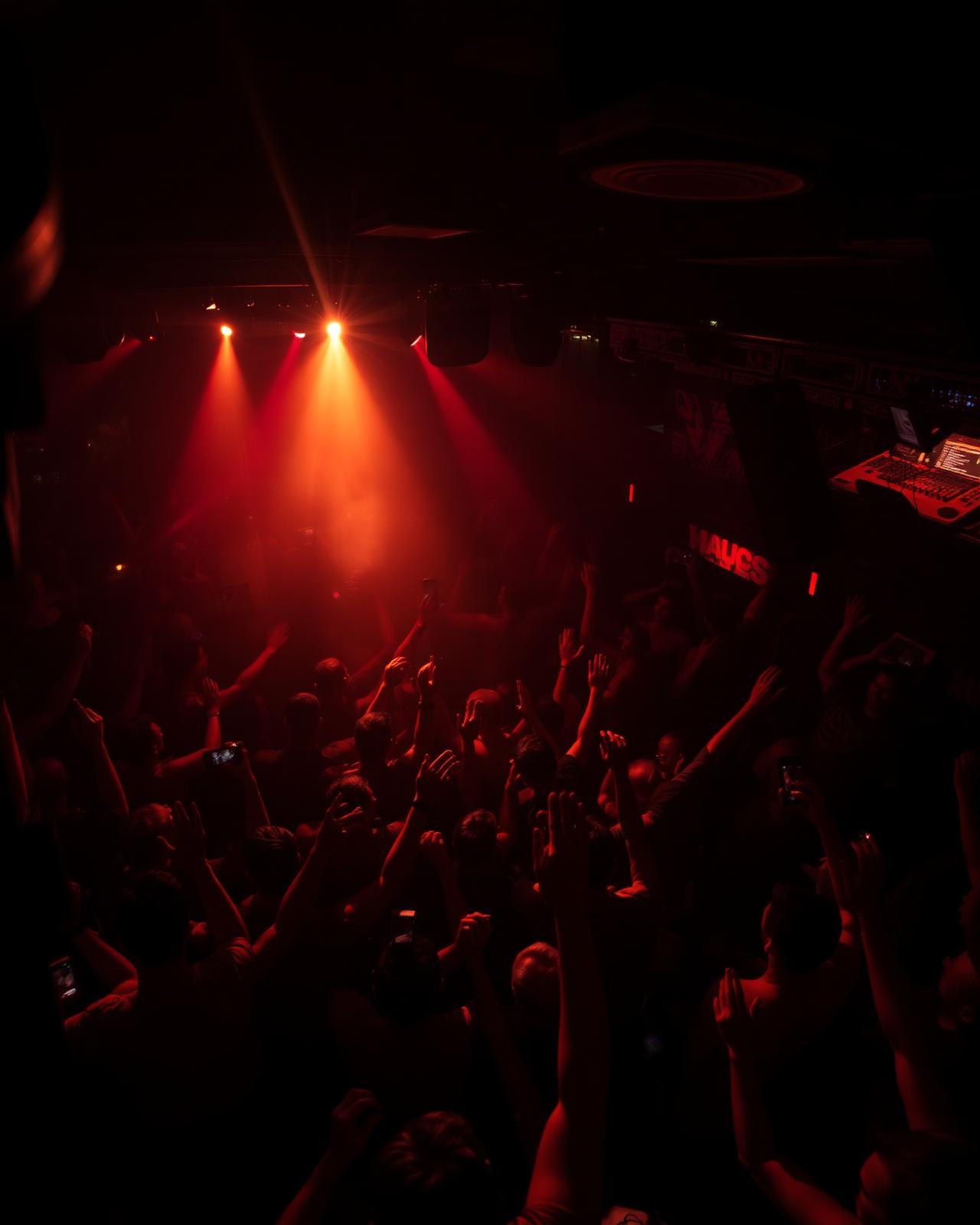
Selecting the right wedding afterparty entertainment creates a memorable continuation of your celebration, shifting the mood from formal reception to a high-energy late-night experience. The best ideas consider the venue's capabilities, noise restrictions, guest preferences, and desired vibe to ensure a seamless transition and keep the party going for those who want to extend the festivities. An afterparty allows you to delve into niche genres or create a more relaxed, club-like atmosphere for your closest friends and family who want to extend the celebration, ensuring your second act is as impactful as your first. Explore the full scope of considerations for your late-night event at our dedicated guide to wedding afterparties.
Quick Afterparty Entertainment Ideas
- Hybrid DJ & Live Guitar Duo: Dynamic, versatile, and high-energy for diverse genres.
- Professional DJ: Classic choice, wide-ranging music, adaptable to various venues.
- Specialty Live Band: Ideal for a specific genre, e.g., funk, jazz, or tribute acts.
- Acoustic Duo/Trio: Mellow, intimate, suitable for quieter, lounge-style settings.
- Interactive Options: Photo booths, silent disco, or late-night gaming stations for a different vibe.
What Makes a Wedding Afterparty Unique and Why Plan One?
The wedding afterparty isn't merely an extension of your reception; it's a distinct event designed to capture a different energy. While the main reception often caters to a broad guest list and follows a more traditional structure, the afterparty offers a chance to shed formalities, amplify the energy, and focus on the music and atmosphere truly cherished by you and your closest friends. This is your opportunity to explore unique musical landscapes, from dedicated /country-edm sets and /emo-nights to high-energy /hip-hop-edm parties, without the pressure of pleasing every single guest from the earlier celebration.
The shift in mood is critical. It moves from celebratory formality to uninhibited celebration, often in a more intimate setting, allowing guests to truly unwind. Consider the entire guest experience, from the smooth transition between venues to the final song of the night. Clear communication about afterparty details is essential for guests who wish to continue the fun. This second act can often feel like the truest reflection of the couple's personal style and musical taste, making it incredibly memorable.
Defining Your Afterparty Vibe
Before booking any entertainment, visualize the atmosphere you want to create. Do you want a full-on dance club experience, a relaxed lounge feel, or something completely unexpected? Your desired vibe directly influences the type of entertainment best suited for the occasion. For instance, a laid-back gathering might suit an acoustic act, while a desire for a festival-like atmosphere demands dynamic DJ production. Many couples lean into niche interests, like a full-blown emo wedding afterparty, or a themed night to surprise and delight their closest friends.
How Do Venue Logistics and Noise Restrictions Impact Entertainment Choices?
The choice of afterparty venue and its inherent sound limitations are paramount in determining your entertainment. A historic hotel ballroom, an intimate bar, a rooftop patio, or even an existing reception space reconfigured – each presents unique challenges and opportunities.
Afterparty Venue Selection
Many couples opt for a different venue for the afterparty, often a hotel lounge, a private room in a restaurant, a dedicated event space, or a rented private residence. This physical transition helps clearly delineate the two parts of the evening. If you're staying at the same venue, ensure there's a clear separation from the main reception area, perhaps in a different room or a section reconfigured for the late-night vibe. The size and layout of the space will dictate the scale of entertainment; a full band might overwhelm a small, intimate room, while a solo DJ or an acoustic act might feel lost in a grand, empty ballroom. Always consider guest flow and how they will move from one area to another.
Understanding Noise Restrictions
Noise ordinances are almost always tighter late at night, especially in urban areas or residential zones. Venues will have specific rules about amplified music after certain hours, and these are non-negotiable. A full drum kit, for example, produces significant acoustic volume that might not be permissible after 10 PM in some locations. A professional DJ or a hybrid DJ with live guitar duo can offer much finer control over volume levels compared to a traditional full band, making them adaptable to more restrictive environments. Always confirm these restrictions with your venue coordinator before booking any entertainment. This is also where options like a silent disco can become viable, offering a unique, interactive experience while circumventing strict noise limits entirely.
What Entertainment Formats Work Best for Afterparties?
Selecting the right format depends on your desired energy, musical taste, budget, and the practicalities of the venue. You want something that builds on the reception's success but offers a fresh, late-night appeal.
Hybrid DJ & Live Guitar Duo
A hybrid DJ and live guitar duo, like Mixmode, offers unparalleled versatility and energy for a wedding afterparty. Jordan Miller, the DJ and producer, maintains a curated flow across diverse genres, seamlessly mixing everything from high-energy /country-edm and /house-guitar to classic rock, punk, emo, and pop-punk records. Kristian Cruz's live electric guitar adds an explosive, authentic layer, elevating familiar tracks and energizing the dance floor with improvisational solos and iconic riffs. This format merges the dynamic live performance of a band with the continuous, broad musical selection of a DJ. It adapts easily to different energy levels and musical requests, providing a unique, engaging experience that keeps guests dancing and talking long after the reception concludes. Discover more about this dynamic approach on our /dj-live-guitar page or dive deeper into the concept of a hybrid DJ.
Professional DJ
A professional DJ remains a perennial favorite for afterparties due to their flexibility and breadth of musical knowledge. They offer a vast catalog of music, can skillfully read a room, take requests, and maintain a consistent energy flow throughout the night. DJs are also generally more compact in terms of setup requirements and can adapt to smaller spaces or stricter sound regulations more easily than a multi-member live band. They excel at curating a seamless playlist across genres, from top 40 to deep cuts, ensuring everyone finds something to groove to. For a deeper dive into choosing the right DJ for your event, consider reading about DJ vs. Band for Weddings: Which is Right for You?.
Specialty Live Band or Acoustic Act
If you have a very specific musical vision for the afterparty, a specialty band playing a particular genre (e.g., a funk band, a throwback '90s cover band, or a dedicated tribute act) can be incredibly impactful. For a more relaxed, lounge-like afterparty, an acoustic duo or trio (perhaps guitar and vocals, or a jazz combo) can create an intimate atmosphere, especially if amplified music is restricted or you prefer a chill vibe. The authenticity of live musicians playing your preferred genre can be unmatched. However, live bands typically require more space, a larger sound system, and longer setup/breakdown times, which can impact venue choice and overall budget. It's a trade-off between tailored sound and logistical complexity.
Interactive Entertainment
Sometimes the best afterparty entertainment isn't purely musical. Options like a silent disco provide a unique, often hilarious, experience where guests wear headphones to choose between multiple DJ channels, effectively sidestepping noise restrictions. Interactive photo booths with fun props, late-night arcade games, or even a casual karaoke setup can add a different kind of fun and engagement for guests who might prefer an alternative to dancing. These options work particularly well as complements to musical acts or as primary entertainment where space or sound is a major constraint.
Comparing Afterparty Entertainment Options
| Feature | Hybrid DJ & Live Guitar Duo (e.g., Mixmode) | Professional DJ | Specialty Live Band | Acoustic Duo/Trio |
|---|---|---|---|---|
| Energy Level | High, dynamic, live performance feel | Consistent, adaptable, high or moderate | High, genre-specific, engaging | Mellow, intimate, background |
| Musical Versatility | High (EDM, rock, country, pop-punk, hip-hop) | Very high (vast catalog, requests) | Moderate (focused on specific genre) | Low (suited for specific ambiance) |
| Setup/Footprint | Moderate (DJ gear + guitar rig) | Small (DJ booth) | Large (instruments, amps, drums) | Small (minimal gear) |
| Volume Control | Excellent (amplified guitar, controlled DJ) | Excellent (master volume control) | Moderate (acoustic drum volume) | Excellent (easy to regulate) |
| Late-Night Suitability | Excellent (dynamic, energetic, adaptable) | Excellent (versatile, less space/noise) | Good (if venue permits volume/space) | Excellent (for relaxed atmospheres) |
| Uniqueness Factor | Very High (novel, engaging performance) | Moderate (common but effective) | High (if genre fits audience) | Moderate (common for chill vibes) |
| Cost Driver | Skill, unique blend, production, hours | Skill, reputation, equipment, hours | Member count, genre, travel, production | Member count, setup, travel |
Budgeting for Your Wedding Afterparty Entertainment
Understanding what drives the cost of wedding afterparty entertainment is crucial for effective planning. Pricing isn't just about the time the artist is performing; it encompasses several factors.
Hours and Performance Duration
Most afterparty entertainment bookings are for a specific number of hours, typically 2-3. The longer the performance, the higher the cost. This also includes any required background music before the main set, or during breaks. Overtime beyond the agreed-upon hours will incur additional fees, so clear communication about your timeline is essential.
Travel and Logistics
If your chosen entertainer needs to travel a significant distance, particularly across state lines or requiring airfare and accommodation, these costs will be factored into the quote. For local events, mileage fees or per-diem rates might apply. Additionally, the complexity of load-in and load-out at your venue (e.g., stairs, long distances from parking, specific time restrictions) can sometimes influence staffing needs and thus, the overall cost.
Production Requirements
High-quality sound systems, specialized lighting (e.g., dance floor lighting, uplighting, moving head fixtures), CO2 cannons, or cold spark machines all enhance the afterparty experience but come with additional costs. These production elements transform a space and elevate the energy. Discuss your vision with potential entertainers to understand what production is included in their standard package and what would be considered an add-on. We often discuss best wedding entertainment add-ons for couples to consider.
Staffing and Support
Beyond the performers themselves, some acts include dedicated sound engineers, lighting technicians, or road crew for setup and breakdown. These professionals ensure a seamless, high-quality event and their expertise is part of the overall investment. A larger, more complex setup naturally requires more hands-on deck.
Date and Demand
Like all event services, demand plays a significant role in pricing. Saturday nights during peak wedding season (spring and fall) are almost always more expensive than off-season weekdays. Booking a highly sought-after act for a premium date will naturally reflect a higher investment. Flexibility with your date, if possible, can sometimes offer more favorable pricing options.
Questions to Ask Your Afterparty Entertainment Before Booking
When evaluating potential afterparty entertainment, a thorough vetting process ensures you make the best decision for your event. Here are key questions to ask:
- Availability for your specific date(s)? Confirm this upfront.
- What is included in your standard afterparty package? (e.g., performance hours, sound system, basic lighting, MC services).
- What are your technical requirements? (e.g., power needs, stage size, setup time, green room).
- Do you offer any additional production elements (e.g., advanced lighting, CO2 effects, haze machines) and what are their costs?
- How do you handle musical requests, both in advance and live during the event?
- What is your approach to volume control, especially in venues with strict noise restrictions?
- Do you have backup equipment and a contingency plan in case of an emergency (e.g., illness, equipment failure)?
- Can you provide proof of liability insurance? Many venues require this.
- What is your pricing structure for the agreed-upon hours, and what are the fees for overtime?
- What is your payment schedule and cancellation policy?
- How do you coordinate logistics with other vendors (e.g., venue, wedding planner)?
Careful consideration of these elements ensures that your wedding afterparty entertainment aligns perfectly with your vision and budget. For further assistance with booking and planning, visit our weddings page.
Ready to elevate your wedding afterparty with unforgettable entertainment? Contact us today to discuss how Mixmode can bring high-energy, live music to your late-night celebration, or email us directly at booking@mixmodemusic.com.
People also ask
Related questions
- What kind of music is best for a wedding afterparty?
- The best music for an afterparty often leans into genres that encourage dancing and a less formal atmosphere, such as high-energy EDM, classic rock, hip-hop, pop-punk, or even a dedicated niche genre like country EDM or emo nights, depending on the couple's and guests' preferences.
- How do I manage the transition from my reception to the afterparty?
- Clear communication with guests about the afterparty's location and start time is crucial. If changing venues, provide transportation options or clear directions. Ensure the afterparty entertainment is ready to start promptly upon guest arrival to maintain momentum.
- Can I have a themed afterparty?
- Absolutely. Afterparties are an excellent opportunity to infuse a specific theme, whether it's a throwback '90s party, a dedicated country EDM hoedown, or an emo night. Informing your entertainment choice about your theme allows them to curate the perfect soundtrack.
- What technical requirements does afterparty entertainment need?
- Most afterparty entertainment will require reliable power, a stable performance area, and potentially access to a sound system, lighting, or a stage. Confirm specific technical rider details with your chosen act and coordinate with the venue well in advance.
Stay in the loop
Not booking today?
Tour dates, new reels, and a heads up when dates open up. No spam, unsubscribe anytime.
Keep reading
Related guides
Corporate & Venue
Country Entertainment for Texas Corporate Events (2026)
Country entertainment for a Texas corporate event works best when it gives the room the songs everyone knows with enough energy to keep a mixed crowd on the dance floor.
Corporate & Venue
Corporate Event Entertainment Add-Ons Worth the Money (2026)
The corporate event entertainment add-ons worth paying for are the ones that fix a real gap in your room: missing sound, a flat-looking stage, or a program that has to fit around speeches.
Country EDM
MIXMODE Plays Country Rave at the Mystic Theatre in Petaluma: Press Release
MIXMODE, DJ Jordan Miller with Kristian Cruz on live electric guitar, played Country Rave at the Mystic Theatre in Petaluma on Friday, November 13, 2026.
Browse the full Mixmode Knowledge Base.