Playlists & Song Ideas · 7 min read
Crafting the Ultimate Emo Night Playlist: Song Blocks & Energy
The best emo night songs blend iconic anthems from different eras, carefully curated into thematic blocks that build and release energy throughout the night. A successful emo night playlist balances raw emotion with singalong choruses, ensuring every attendee finds their moment on the dance floor.
By Jordan Miller · Mixmode (Austin, TX)
Published September 5, 2026
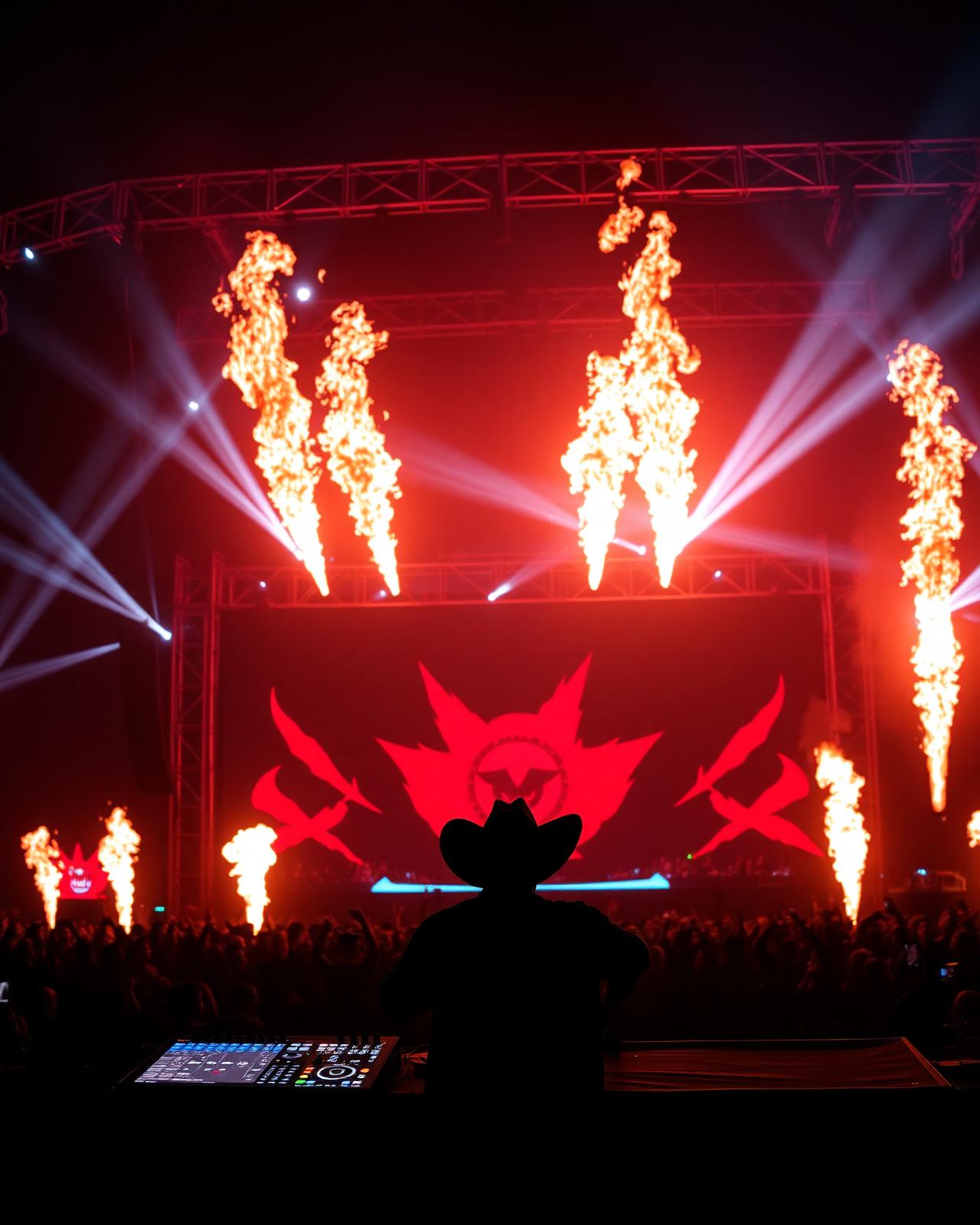
The best emo night songs blend iconic anthems from different eras, carefully curated into thematic blocks that build and release energy throughout the night. A successful emo night playlist balances raw emotion with singalong choruses, ensuring every attendee finds their moment on the dance floor.
Crafting an engaging emo night requires more than just a list of popular tracks; it involves understanding the emotional arc of the genre and how to translate that into a live experience. The goal is to evoke nostalgia, encourage catharsis, and keep the energy high with tracks that resonate deeply and encourage active participation.
Quick answer:
- Embrace variety: Mix pop-punk anthems, post-hardcore riffs, and MySpace-era classics.
- Build energy in blocks: Group songs by era or intensity to create dynamic shifts.
- Focus on singalongs: Choose tracks with undeniable choruses that everyone knows.
- Consider live elements: A DJ with live guitar can elevate the performance of these iconic songs.
- Balance high-energy with emotive moments: Allow for peaks and valleys in the night's emotional journey.
How Do You Structure an Emo Night Playlist?
Structuring an emo night playlist is about creating a journey, not just a random assortment of songs. Think in terms of energy levels and emotional beats. We typically begin with a warm-up phase, gradually building into peak-time anthems, allowing for some emotive cooldowns, and finishing strong. This approach ensures sustained engagement and allows different sub-genres and eras to shine without feeling disjointed.
When we plan for an emo night, we consider the flow from one track to the next, often using key changes or rhythmic similarities to create seamless transitions. This is especially true when bringing in elements from other genres that share a similar emotional core, perhaps a punk classic or a power-pop track that feels right at home. You can learn more about how we approach these dynamic sets by reading about our perspective on touring emo with a hybrid DJ + guitar duo.
The Warm-Up: Setting the Stage (Early Evenings)
Start with familiar, mid-tempo tracks that invite people in without overwhelming them. These aren't necessarily deep cuts, but rather songs that evoke nostalgia and get heads nodding. They should be recognizable but not quite the massive singalongs reserved for later.
- Examples: Taking Back Sunday – “Cute Without the 'E' (Cut from the Team),” Brand New – “Sic Transit Gloria… Glory Fades,” Jimmy Eat World – “The Middle” (a great bridge song for broad appeal).
The Build-Up: Gaining Momentum (Mid-Evening)
As the crowd grows, increase the energy with more driving rhythms and slightly more aggressive vocals. This is where you introduce some of the more iconic tracks that encourage passionate singing but still leave room for bigger anthems.
- Examples: Fall Out Boy – “Sugar, We're Goin Down,” Dashboard Confessional – “Screaming Infidelities,” Yellowcard – “Ocean Avenue.”
Peak Time: The Anthems (Late Evening)
This is the core of the emo night. Unleash the biggest, most cathartic singalongs and high-energy bangers. These are the songs that everyone knows, can scream along to, and are often punctuated by powerful guitar riffs and explosive drums. Many of these tracks are perfect for live guitar interpretations, as explored in our article, MIXMODE Could Headline an Emo Tour — Here's Why.
- Examples: My Chemical Romance – “Welcome to the Black Parade,” Paramore – “Misery Business,” Panic! At The Disco – “I Write Sins Not Tragedies,” The Used – “The Taste of Ink.”
Emotional Release/Cool Down (Varies)
Interspersed with the high-energy moments, it's effective to include tracks that allow for a momentary emotional release. These can be slightly slower, more melancholic, or simply provide a different emotional texture before ramping back up. This prevents burnout and adds depth to the experience.
- Examples: Hawthorne Heights – “Ohio Is for Lovers,” Death Cab for Cutie – “I Will Follow You into the Dark” (a well-placed ballad), Senses Fail – “Burial.”
The Encore: Finishing Strong (Last Hour)
As the night winds down, bring back high energy with slightly more modern or unexpected crowd-pleasers, or revisit a classic that hasn't been played yet. The goal is to send people home on a high note, wanting more.
- Examples: blink-182 – “All the Small Things” (pop-punk crossover appeal), All-American Rejects – “Gives You Hell,” Sum 41 – “Fat Lip.”
What Are the Essential Eras and Subgenres for an Emo Night?
An effective emo night playlist embraces the rich history and diverse subgenres of emo. Focusing on a variety of eras ensures broad appeal and keeps the set dynamic. From the early 2000s pop-punk explosion to the more dramatic post-hardcore sounds, each era brings its own flavor that contributes to the overall experience. Understanding these categories is key to curating a truly comprehensive evening. For a broader look at genre blending, you might find our guide to what is Country EDM fascinating, as it delves into how different styles can successfully merge.
Pop-Punk Mainstays
These tracks are characterized by catchy melodies, fast tempos, and often relatable, angsty lyrics with a strong pop sensibility. They are undeniable crowd-pleasers and bring a vibrant, singalong energy.
- Signature Bands: blink-182, Green Day (early/mid-career), Sum 41, Fall Out Boy (early).
- Playlist Essentials: “Dammit,” “All the Small Things,” “What's My Age Again?” (blink-182); “Welcome to Paradise,” “Basket Case” (Green Day); “Fat Lip,” “In Too Deep” (Sum 41).
MySpace Era Core
The mid-2000s brought a distinct aesthetic and sound, often blending pop-punk with more theatrical or darker elements, characterized by huge choruses and iconic imagery. This era is heavily nostalgic for many attendees.
- Signature Bands: My Chemical Romance, Panic! At The Disco, Paramore, Fall Out Boy (mid-career).
- Playlist Essentials: “Helena,” “I'm Not Okay (I Promise),” “Welcome to the Black Parade” (My Chemical Romance); “I Write Sins Not Tragedies,” “Thnks fr th Mmrs” (Panic! At The Disco); “Misery Business,” “That's What You Get” (Paramore).
Post-Hardcore & Emo's Heavier Side
For those who appreciate more edge, this subgenre brings in heavier guitar riffs, more dynamic vocal styles (including screaming), and often more intricate song structures. These tracks add intensity and raw emotion.
- Signature Bands: The Used, Senses Fail, Hawthorne Heights, Silverstein.
- Playlist Essentials: “The Taste of Ink,” “Buried Myself Alive” (The Used); “Can't Be Saved,” “Burial” (Senses Fail); “Ohio Is for Lovers,” “Saying Sorry” (Hawthorne Heights).
How Can You Ensure Maximum Crowd Engagement?
Crowd engagement at an emo night goes beyond just playing popular songs; it’s about fostering a communal experience. The music selection is critical, but so is how it's presented and how the atmosphere is cultivated. For a deeper dive into the practicalities of putting on such an event, our article, Planning Your Emo Night Event: A Host's Playbook, offers valuable insights.
Song Selection & Familiarity
The most straightforward path to engagement is through familiarity. Prioritize tracks that have withstood the test of time and are widely recognized. These are the songs that will have entire rooms singing at the top of their lungs, creating a powerful collective energy.
| Engagement Factor | High Familiarity Tracks | Lower Familiarity Tracks |
|---|---|---|
| Crowd Reaction | Instant singalongs, jumping, shared catharsis | Head-nodding, appreciation, less overt participation |
| Energy Level | Drives peak energy moments | Good for building or providing variety |
| Memorability | Creates iconic moments of the night | Can introduce new favorites, but less impactful for group vibe |
| Placement in Set | Peak time, closers | Warm-up, mid-set changes of pace |
Dynamic Performance Elements
Beyond simply playing tracks, consider how the music is delivered. A DJ who actively mixes, hypes the crowd, and understands the nuances of the genre can make a significant difference. Adding live elements, such as an electric guitarist playing along to the tracks, can elevate the experience from a playlist to a performance, bringing the raw energy of these songs to life. This hybrid approach makes the experience feel more like a concert and less like background music, encouraging more active participation from the audience. We often find that the live guitar brings an unmatched intensity to these tracks, mirroring the original recordings' power.
FAQs
What defines an 'emo night' song?
An emo night song typically features emotionally charged lyrics, dynamic song structures often building to powerful choruses, and instrumental arrangements that range from melodic guitar lines to anthemic power chords. These tracks resonate with themes of angst, love, heartbreak, and rebellion, characteristic of the genre's various waves.
How do you keep an emo night playlist from sounding repetitive?
Varying tempos, vocal styles, and subgenres within the emo umbrella helps prevent repetition. Strategically placing instrumental breaks, acoustic moments, or even unexpected genre shifts (like a classic rock or pop-punk track that shares emotional DNA) can refresh the energy.
Should an emo night focus on just one era of emo music?
While some niche events might focus on a specific subgenre or era, the most successful emo nights typically blend tracks from across the genre's history. This broader approach caters to a wider audience, from those who grew up with early 2000s pop-punk to newer fans discovering the classics.
Whether you're planning an emo night for a club, college, or private event, the right music can make all the difference. Explore more about our approach to live music by checking out our full music offerings or get in touch to discuss bringing this electric energy to your next event at booking@mixmodemusic.com.
Related reading
People also ask
Related questions
- What's the difference between emo and pop-punk for an emo night?
- While intertwined, pop-punk often leans into catchier melodies and more straightforward song structures, whereas emo can explore more complex emotional narratives and often features dynamic shifts in intensity. A good emo night playlist weaves both seamlessly.
- How important are transitions between songs in an emo DJ set?
- Smooth transitions are crucial for maintaining energy and flow, especially when moving between different subgenres or tempos. Effective mixing keeps the crowd engaged and prevents awkward silences that can disrupt the emotional build of the night.
- Can live electric guitar enhance an emo night?
- Absolutely. Live electric guitar can inject raw energy and authenticity into emo anthems, recreating iconic riffs and adding improvisational flair that a pre-recorded track can't capture. It elevates the experience, making familiar songs feel fresh and live, as discussed in our insights on touring emo with a hybrid DJ + guitar duo.
- Read the full answer →
- What kind of crowd attends emo nights?
- Emo nights attract a diverse crowd, often composed of people who grew up with the music, as well as younger fans discovering the genre. The common thread is a shared appreciation for the music's emotional depth, singalong choruses, and energetic atmosphere.
- Should I include slower, more emotional emo songs?
- Yes, slower or more emotionally resonant songs are essential for dynamic pacing. Strategic placement allows for a necessary emotional release or a moment of shared catharsis, especially after a series of high-energy tracks, before bringing the energy back up.
- How do you choose the opening and closing songs for an emo night?
- An opening song should be recognizable and set the tone, inviting people to the dance floor without instantly peaking. A closing song should be an undeniable anthem, leaving the crowd with a powerful, memorable, and unifying experience, often a massive singalong.
Stay in the loop
Not booking today?
Tour dates, new reels, and a heads up when dates open up. No spam, unsubscribe anytime.
Keep reading
Related guides
Emo & Pop-Punk
Planning Your Emo Night Event: A Host's Playbook
Throwing a successful Emo Night requires careful attention to music programming, venue atmosphere, promotion, and technical production. Curate a nostalgic yet high-energy experience by blending classic emo and pop-punk anthems with engaging live elements, ensuring your event stands out.
Scene & Trends
Touring Emo with a Hybrid DJ + Guitar Duo | MIXMODE
A hybrid DJ + live guitarist duo like MIXMODE can effectively cover any music scene, from emo to EDM, because the combination offers unparalleled genre versatility, dynamic live energy, and customizability that traditional bands often lack.
Wedding Afterparties
Planning Your Emo Wedding Afterparty
Booking a hybrid DJ and live guitarist for your emo wedding afterparty means securing a high-energy, immersive musical experience that extends beyond a traditional DJ set, offering dynamic live instrumentation to punctuate your favorite emo, punk, and pop-punk anthems. This unique blend creates a personalized, unforgettable celebration, catering specifically to couples looking for an alternative and authentic close to their special day. The investment covers specialized musical talent, tailored setlists, and professional sound production for a distinct vibe.
Browse the full Mixmode Knowledge Base.